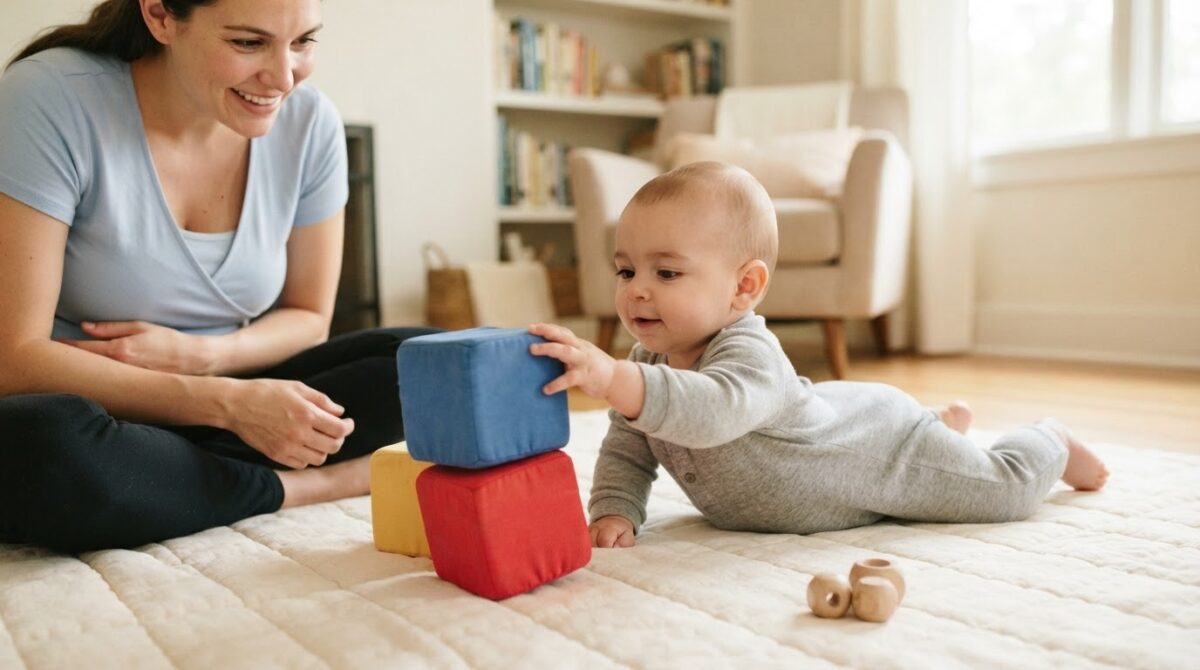
Cause & Effect with a Build-It-Another-Way for 4-6-Month-Old Babies

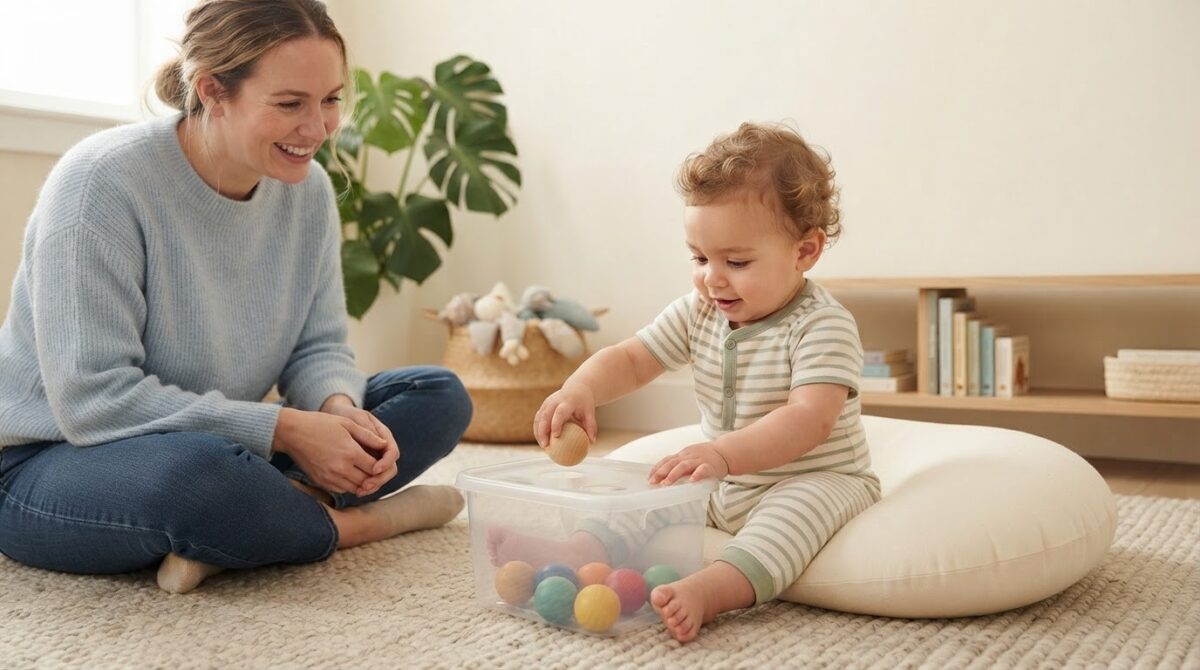
One easy starting point for cause & effect with a build-it-another-way for 4-6 month old babies is a familiar activity that gives your child time to look, move, listen, choose, or respond. This build-it-another-way activity uses a familiar real-world moment so your child can explore cause & effect through action and interaction. Plan on about […]

Read More
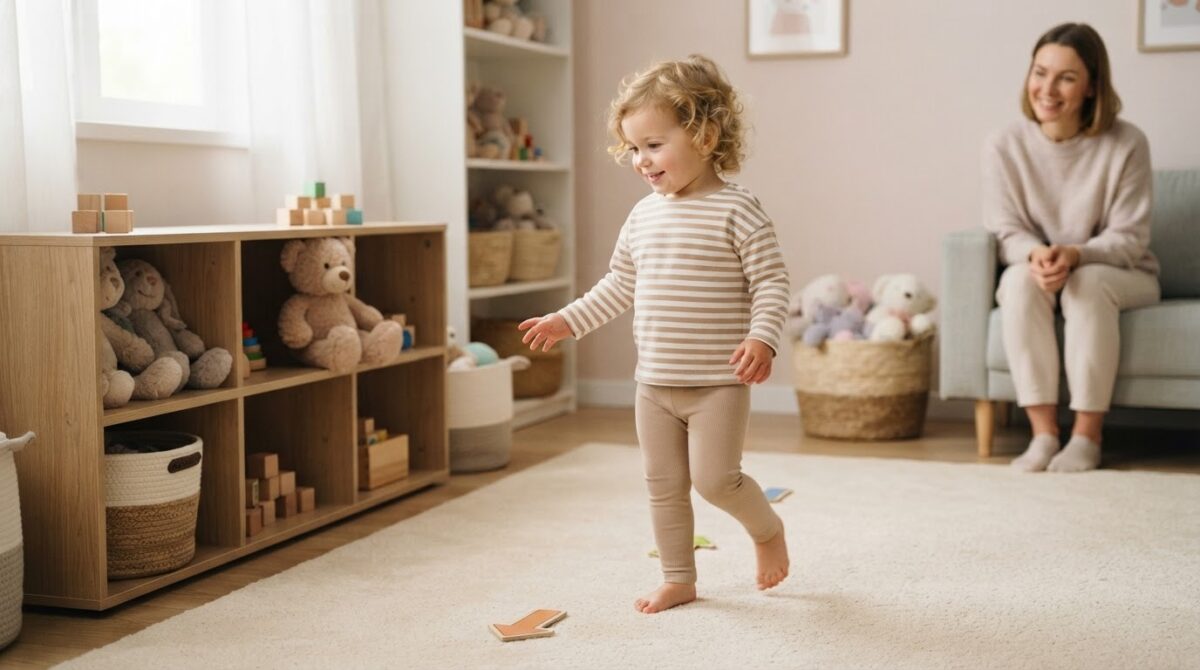
Attention & Following Directions with a Follow-the-Clue Game for 2-Year-Old Toddlers

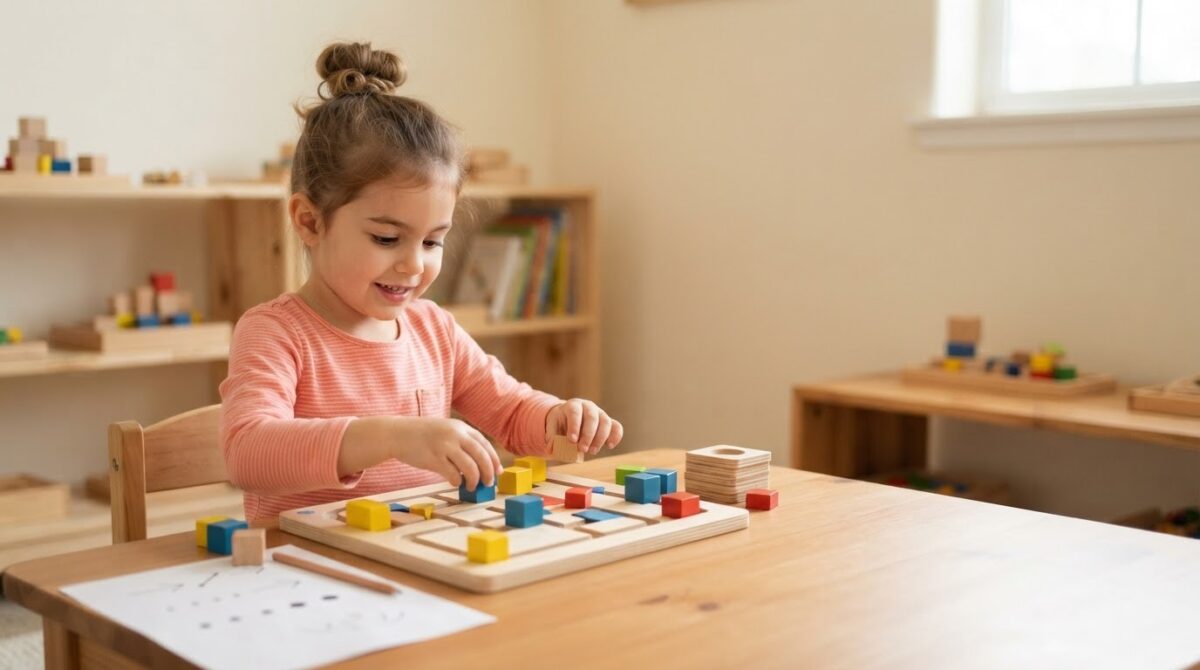
When you are searching for attention & following directions with a follow-the-clue game for 2 year old toddlers, it helps to begin with one simple interaction rather than a long lesson. This follow-the-clue game idea starts with something familiar and turns it into a few minutes of purposeful play. The adult models the idea, the […]

Read More

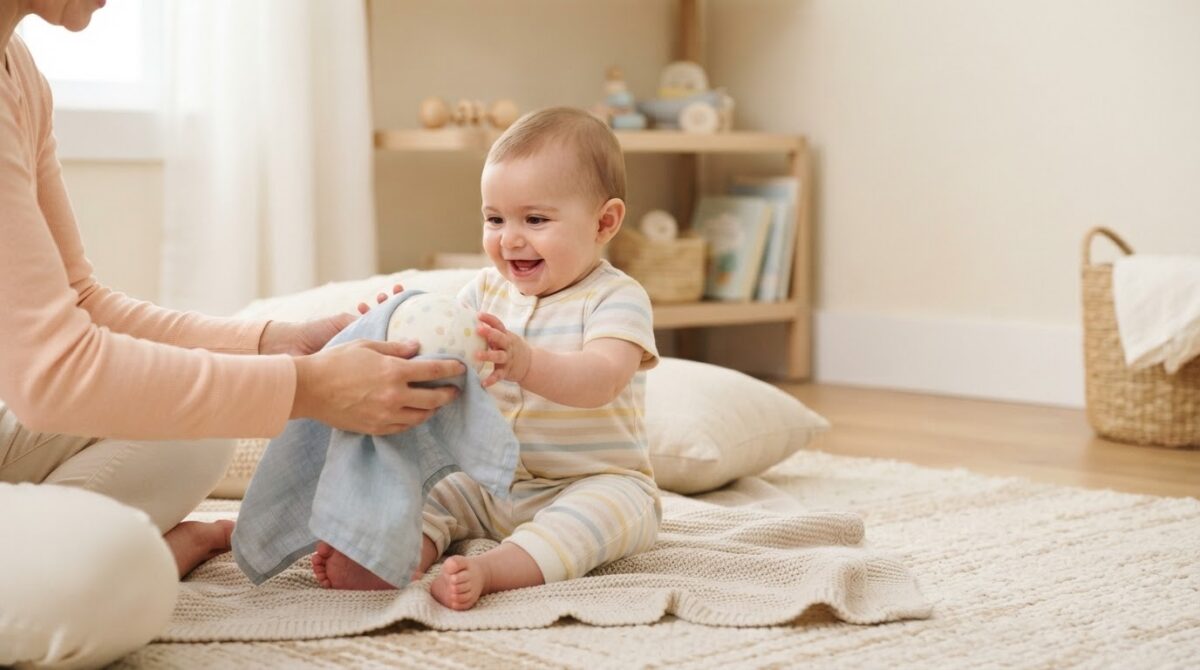
Where Did the Ball Go? for Babies 7–9 Months

Where did the ball go for 7-9 month old babies can fit naturally into everyday play and routines. For a 7–9-month-old baby, focus on hands-on exploration, gestures, and cause-and-effect play: model one small idea, repeat it naturally, and follow your child’s interest rather than turning the moment into a test. For hands-on ways to practice […]

Read More

Choosing a Baby Developmental Play Group for Babies 7–9 Months

Choosing a baby developmental play group for 7-9 month old babies can fit naturally into everyday play and routines. For a 7–9-month-old baby, focus on hands-on exploration, gestures, and cause-and-effect play: model one small idea, repeat it naturally, and follow your child’s interest rather than turning the moment into a test. For hands-on ways to […]

Read More

Logic Challenge: Explain How You Solved It for 5-Year-Old Kids

Logic challenge: explain how you solved it for 5 year old kids can fit naturally into everyday play and routines. For a 5-year-old child, focus on planning, explaining, storytelling, and problem solving: model one small idea, repeat it naturally, and follow your child’s interest rather than turning the moment into a test. For hands-on ways […]

Read More

Help the Bunny Home: Printable Maze Companion for 4-Year-Old Kids

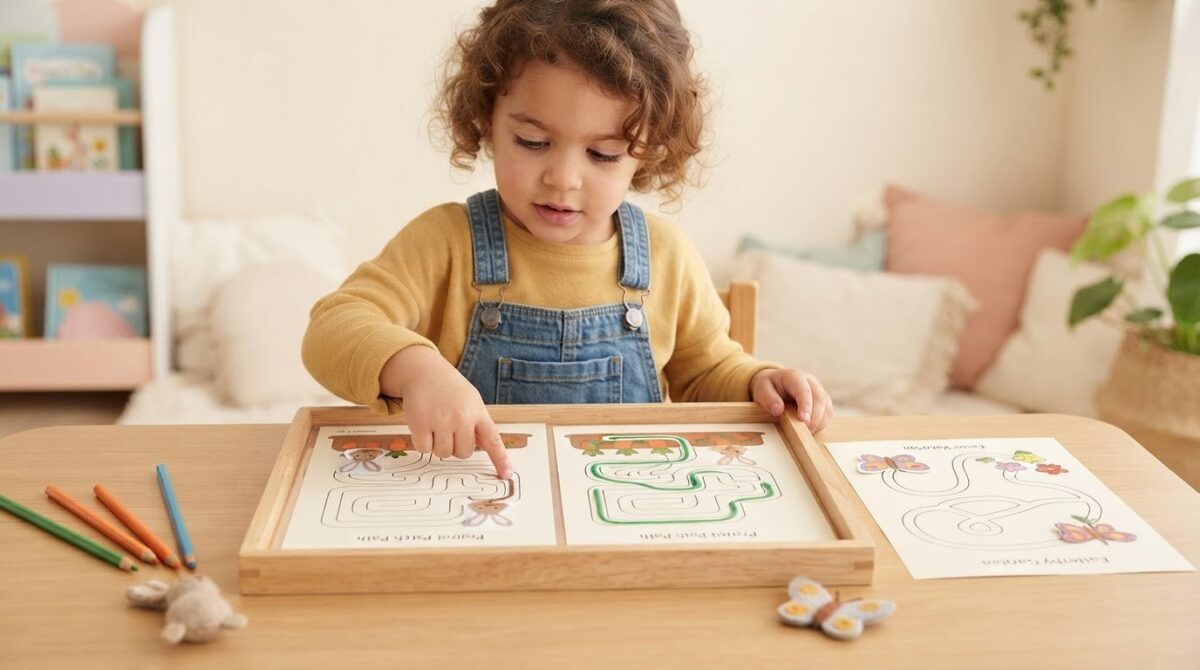
Help the bunny home: printable maze companion for 4 year old kids can fit naturally into everyday play and routines. For a 4-year-old child, focus on storytelling, comparing, multi-step play, and creative projects: model one small idea, repeat it naturally, and follow your child’s interest rather than turning the moment into a test. For hands-on […]

Read More

Odd One Out: Ask ‘Why?’ After the Game for 4-Year-Old Kids

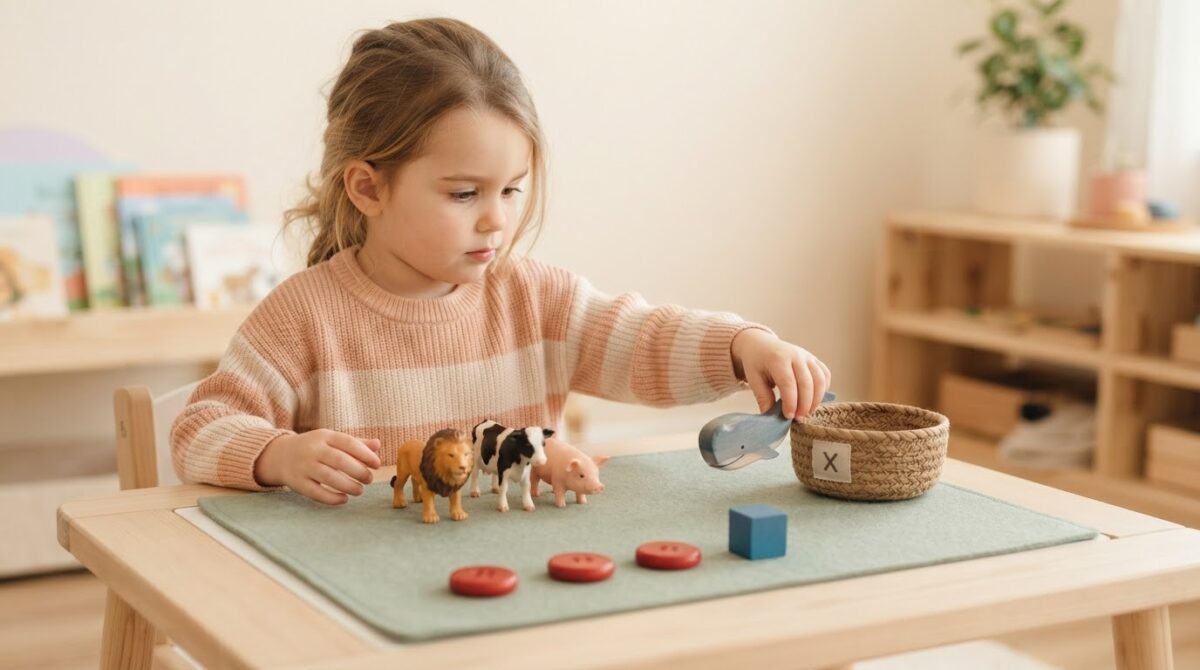
Odd one out: ask ‘why?’ after the game for 4 year old kids can fit naturally into everyday play and routines. For a 4-year-old child, focus on storytelling, comparing, multi-step play, and creative projects: model one small idea, repeat it naturally, and follow your child’s interest rather than turning the moment into a test. For […]

Read More

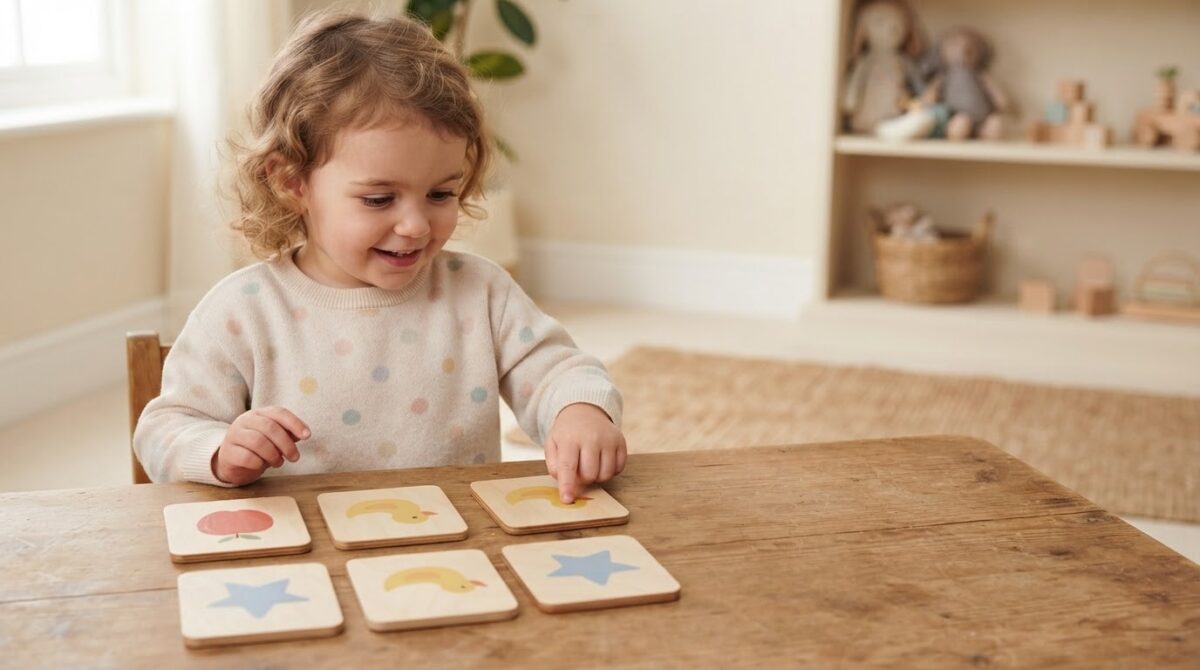
First Words Memory: How to Start With Fewer Pairs for 3-Year-Old Toddlers

First words memory: how to start with fewer pairs for 3 year old toddlers can fit naturally into everyday play and routines. For a 3-year-old toddler, focus on conversation, sequences, pretend play, and small challenges: model one small idea, repeat it naturally, and follow your child’s interest rather than turning the moment into a test. […]

Read More

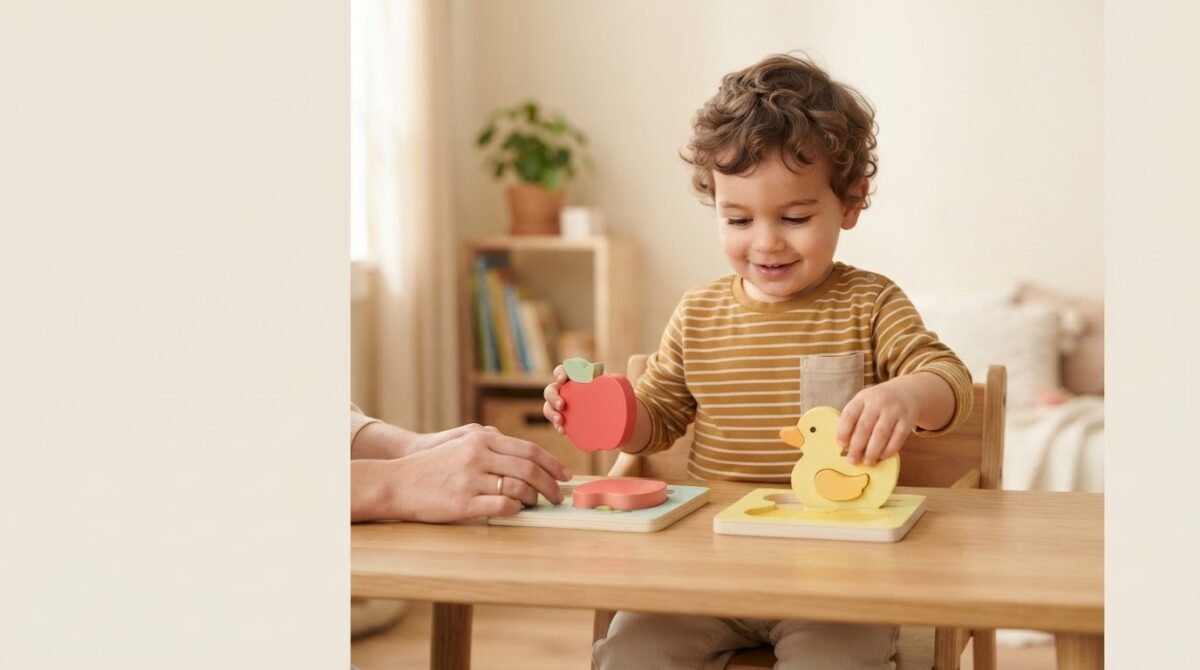
How to Choose and Use a Toddler Puzzle for 2-Year-Old Toddlers

How to choose and use a toddler puzzle for 2 year old toddlers can fit naturally into everyday play and routines. For a 2-year-old toddler, focus on short phrases, matching, sorting, pretend play, and choices: model one small idea, repeat it naturally, and follow your child’s interest rather than turning the moment into a test. […]

Read More

What to Say When Your Preschooler Says ‘I Can’t’ for 4-Year-Old Kids

What to say when your preschooler says ‘i can’t’ for 4 year old kids can fit naturally into everyday play and routines. For a 4-year-old child, focus on storytelling, comparing, multi-step play, and creative projects: model one small idea, repeat it naturally, and follow your child’s interest rather than turning the moment into a test. […]

Read More