Learn & Grow Together

For Babies & Toddlers

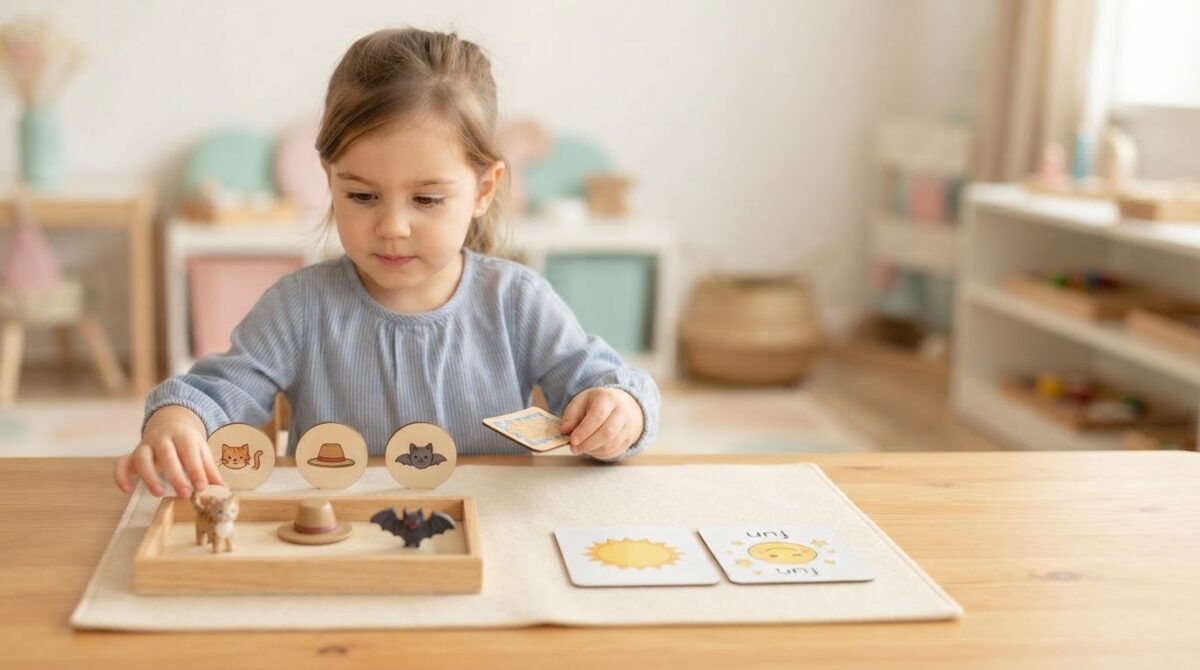
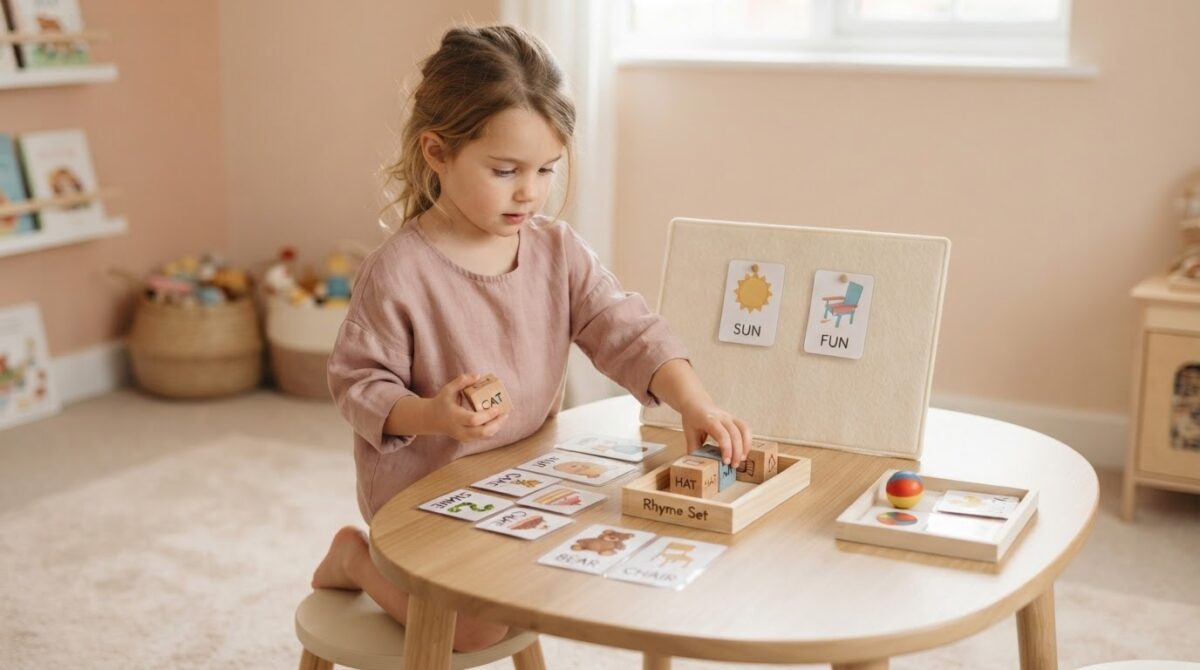
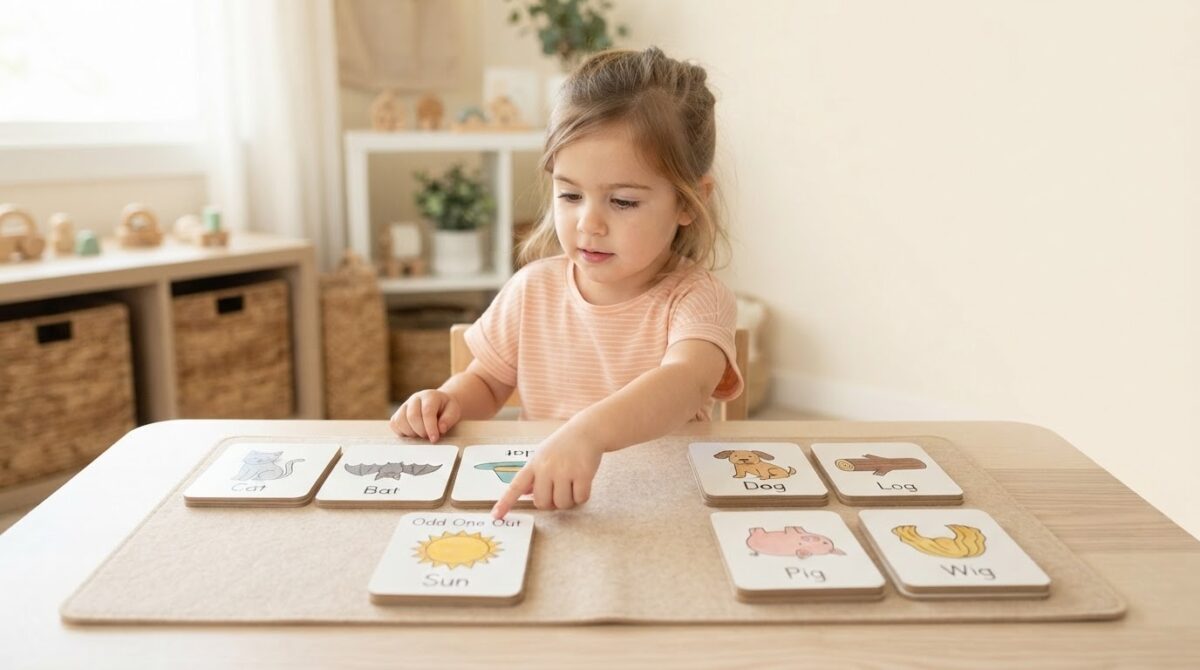
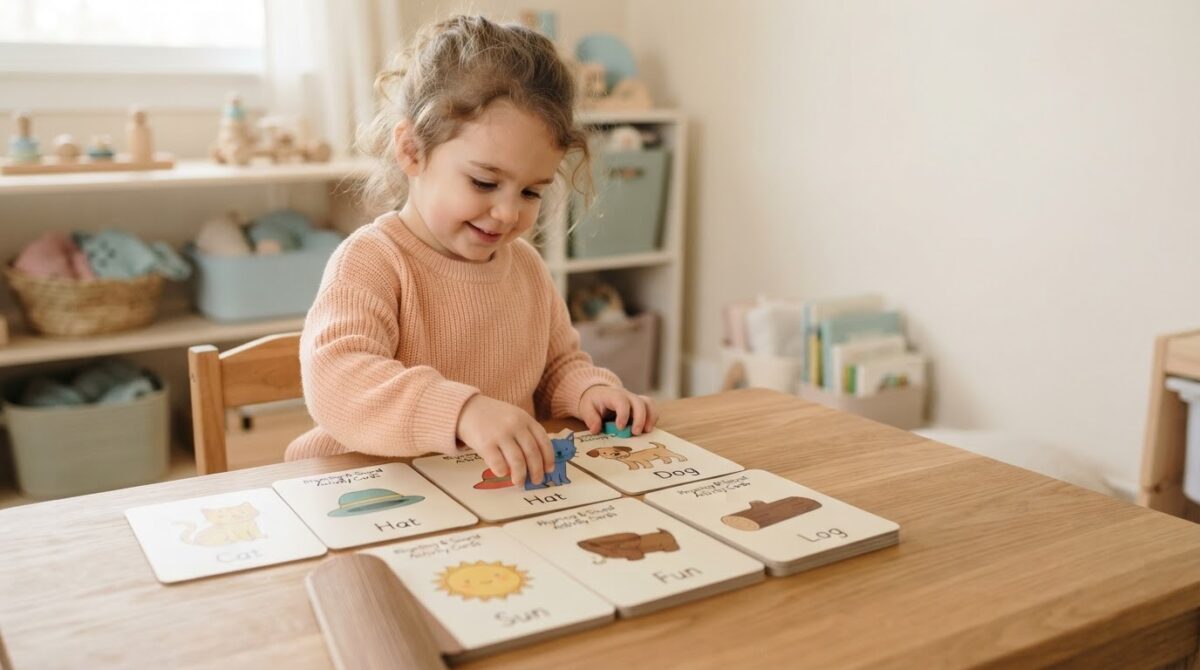
Can You Find the Rhyme? for 4-Year-Old Kids

Can you find the rhyme for 4 year old kids can fit naturally into everyday play and routines. For a 4-year-old child, focus on storytelling, comparing, multi-step play, and creative projects: model one small idea, repeat it naturally, and follow your child’s interest rather than turning the moment into a test. For hands-on ways to […]

Read More

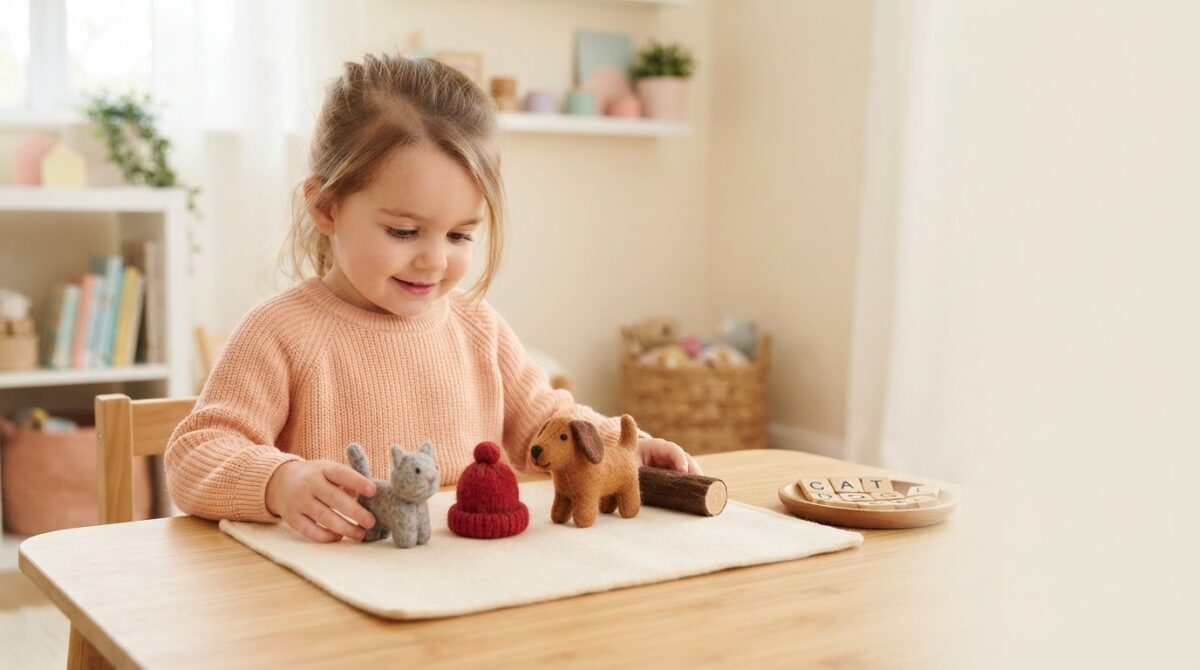
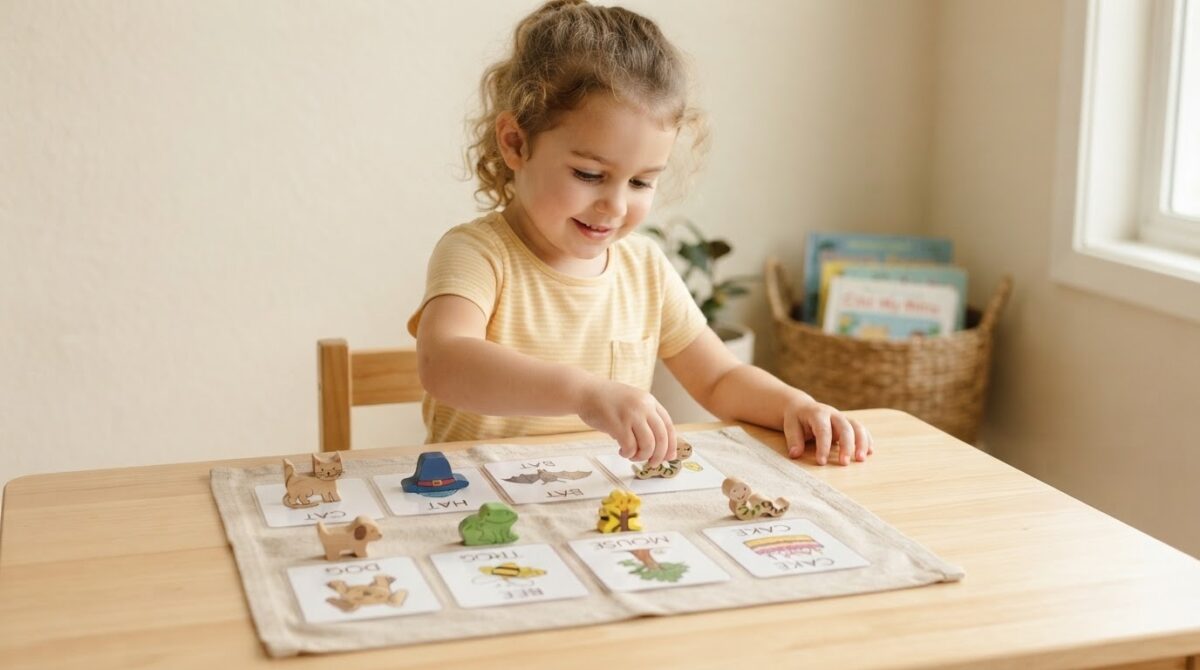
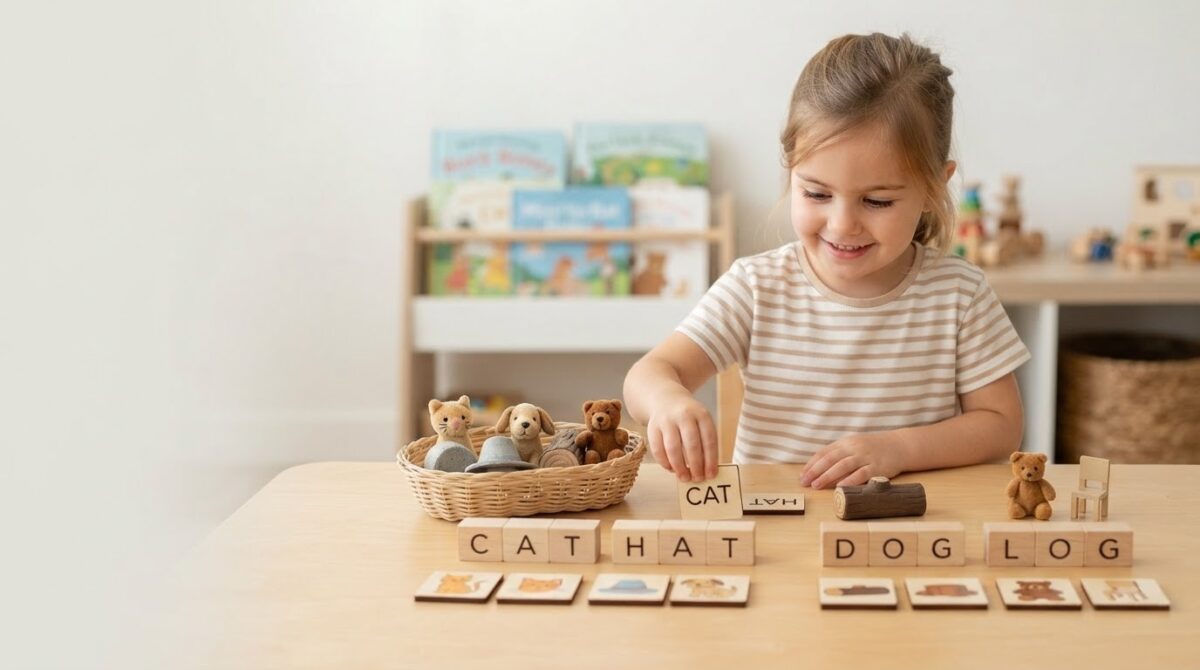
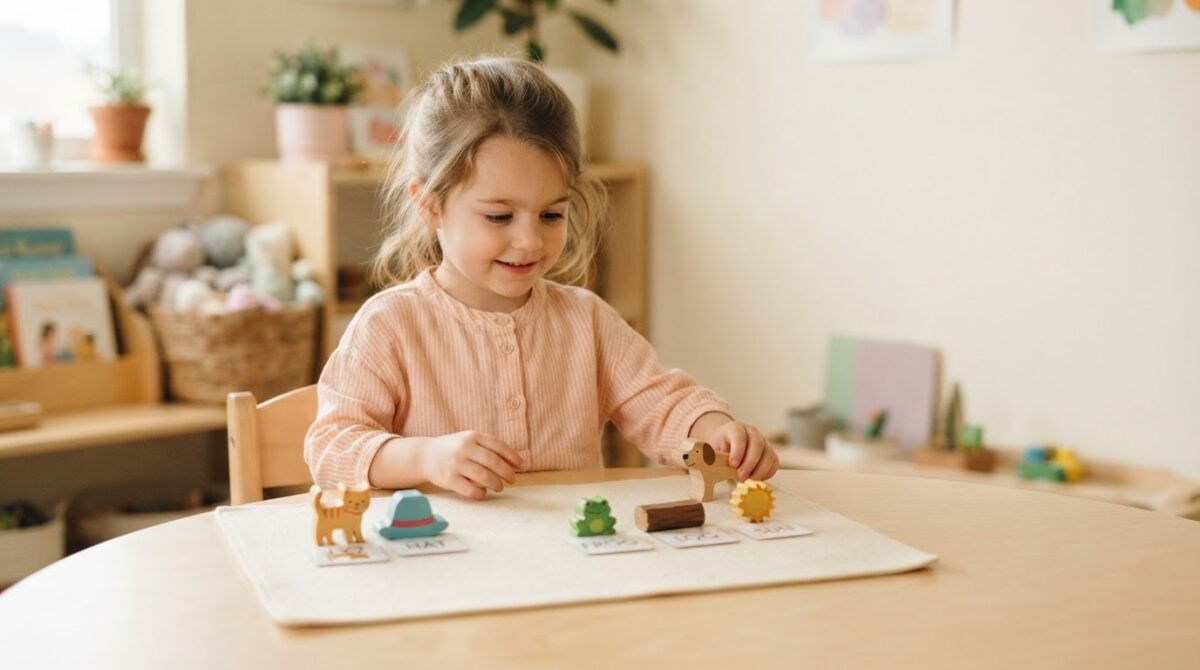
Cat, Hat, Dog, Log for 3-Year-Old Toddlers

Cat, hat, dog, log for 3 year old toddlers can fit naturally into everyday play and routines. For a 3-year-old toddler, focus on conversation, sequences, pretend play, and small challenges: model one small idea, repeat it naturally, and follow your child’s interest rather than turning the moment into a test. For hands-on ways to practice […]

Read More

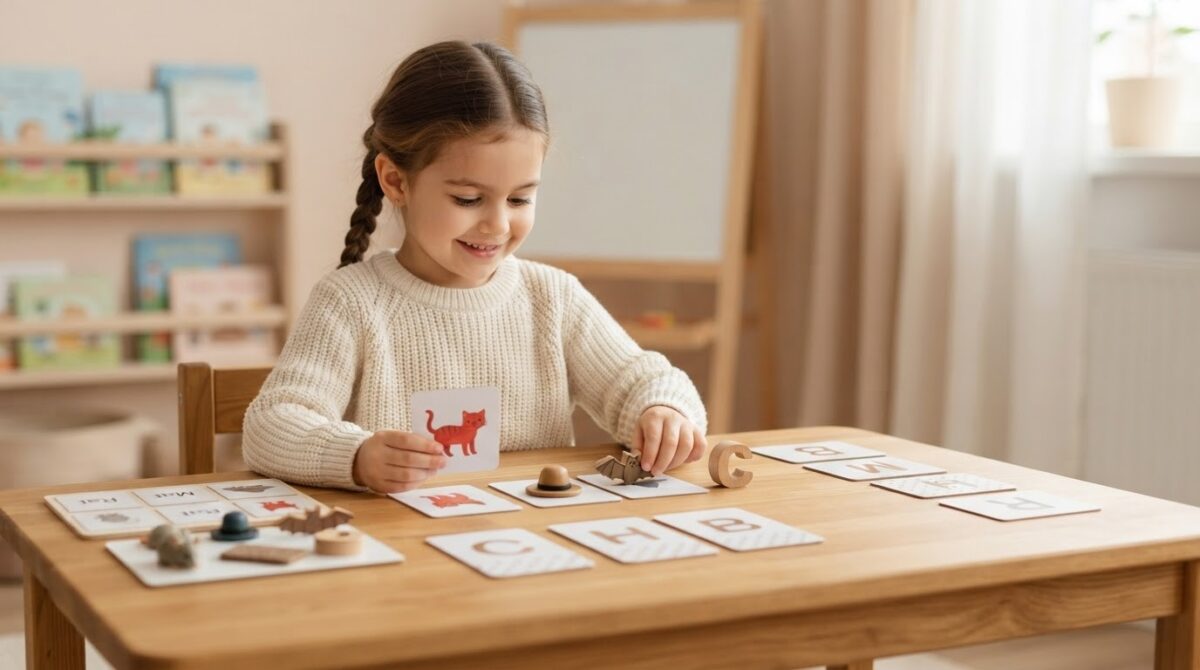
Rhyming & Sound Awareness Activity Cards for 5-Year-Old Kids

Rhyming & sound awareness activity cards for 5 year old kids can fit naturally into everyday play and routines. For a 5-year-old child, focus on planning, explaining, storytelling, and problem solving: model one small idea, repeat it naturally, and follow your child’s interest rather than turning the moment into a test. For hands-on ways to […]

Read More

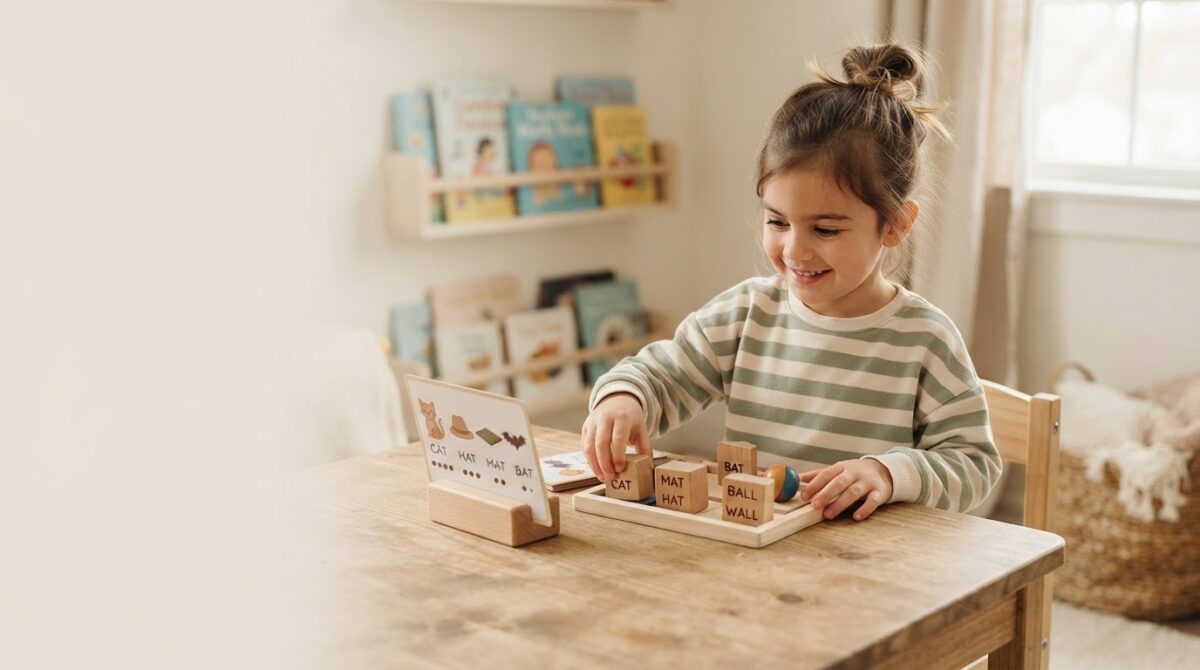
Book & Literacy Play: Rhyming & Sound Awareness for 5-Year-Old Kids

Book & literacy play: rhyming & sound awareness for 5 year old kids can fit naturally into everyday play and routines. For a 5-year-old child, focus on planning, explaining, storytelling, and problem solving: model one small idea, repeat it naturally, and follow your child’s interest rather than turning the moment into a test. For hands-on […]

Read More

How to Support Rhyming & Sound Awareness for 5-Year-Old Kids

How to support rhyming & sound awareness for 5 year old kids can fit naturally into everyday play and routines. For a 5-year-old child, focus on planning, explaining, storytelling, and problem solving: model one small idea, repeat it naturally, and follow your child’s interest rather than turning the moment into a test. For hands-on ways […]

Read More

Rhyming & Sound Awareness Activity Cards for 4-Year-Old Kids

Rhyming & sound awareness activity cards for 4 year old kids can fit naturally into everyday play and routines. For a 4-year-old child, focus on storytelling, comparing, multi-step play, and creative projects: model one small idea, repeat it naturally, and follow your child’s interest rather than turning the moment into a test. For hands-on ways […]

Read More

Book & Literacy Play: Rhyming & Sound Awareness for 4-Year-Old Kids

Book & literacy play: rhyming & sound awareness for 4 year old kids can fit naturally into everyday play and routines. For a 4-year-old child, focus on storytelling, comparing, multi-step play, and creative projects: model one small idea, repeat it naturally, and follow your child’s interest rather than turning the moment into a test. For […]

Read More

How to Support Rhyming & Sound Awareness for 4-Year-Old Kids

How to support rhyming & sound awareness for 4 year old kids can fit naturally into everyday play and routines. For a 4-year-old child, focus on storytelling, comparing, multi-step play, and creative projects: model one small idea, repeat it naturally, and follow your child’s interest rather than turning the moment into a test. For hands-on […]

Read More

Rhyming & Sound Awareness Activity Cards for 3-Year-Old Toddlers

Rhyming & sound awareness activity cards for 3 year old toddlers can fit naturally into everyday play and routines. For a 3-year-old toddler, focus on conversation, sequences, pretend play, and small challenges: model one small idea, repeat it naturally, and follow your child’s interest rather than turning the moment into a test. For hands-on ways […]

Read More

Book & Literacy Play: Rhyming & Sound Awareness for 3-Year-Old Toddlers

Book & literacy play: rhyming & sound awareness for 3 year old toddlers can fit naturally into everyday play and routines. For a 3-year-old toddler, focus on conversation, sequences, pretend play, and small challenges: model one small idea, repeat it naturally, and follow your child’s interest rather than turning the moment into a test. For […]

Read More