Learn & Grow Together

For Babies & Toddlers

Playful Math: Sorting & Categorizing for 4-Year-Old Kids

Playful math: sorting & categorizing for 4 year old kids can fit naturally into everyday play and routines. For a 4-year-old child, focus on storytelling, comparing, multi-step play, and creative projects: model one small idea, repeat it naturally, and follow your child’s interest rather than turning the moment into a test. For hands-on ways to […]

Read More
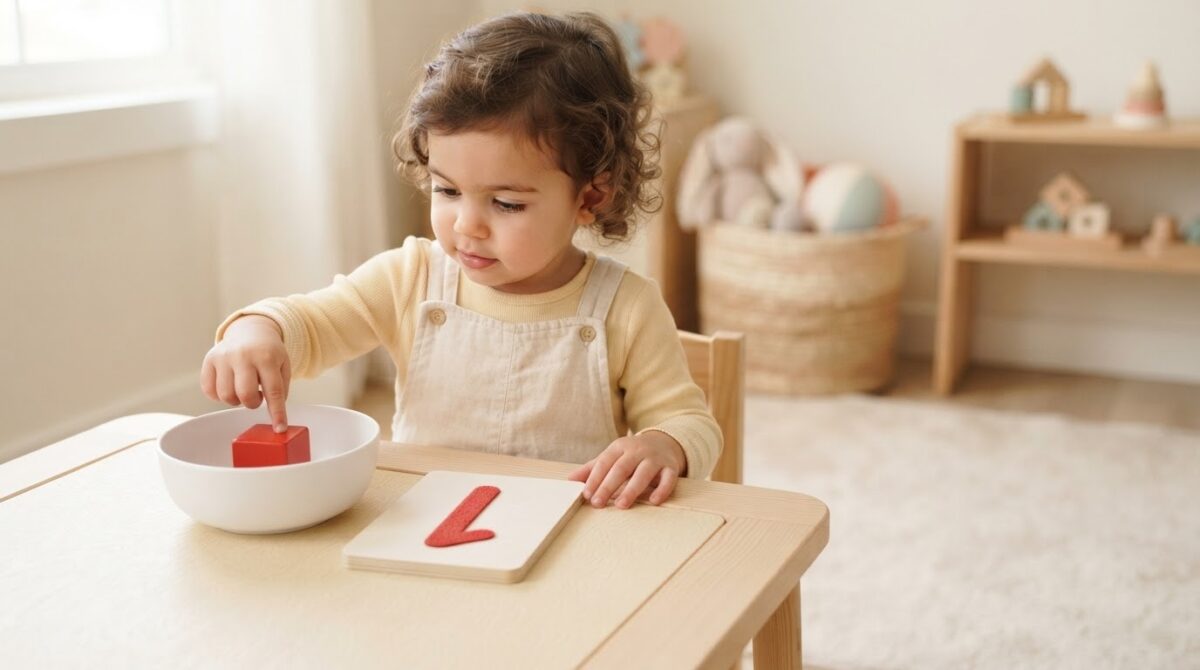
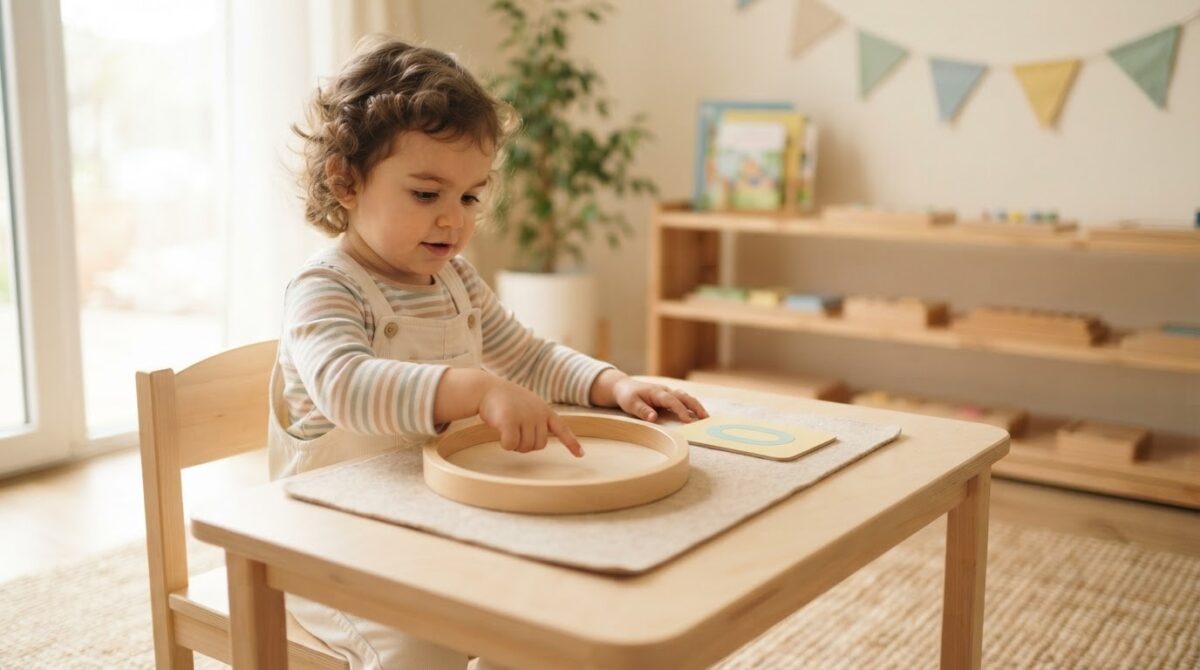
Everyday Sorting & Categorizing for 4-Year-Old Kids

Everyday sorting & categorizing for 4 year old kids can fit naturally into everyday play and routines. For a 4-year-old child, focus on storytelling, comparing, multi-step play, and creative projects: model one small idea, repeat it naturally, and follow your child’s interest rather than turning the moment into a test. For hands-on ways to practice […]

Read More

Sorting & Categorizing Activity Cards for 2-Year-Old Toddlers

Sorting & categorizing activity cards for 2 year old toddlers can fit naturally into everyday play and routines. For a 2-year-old toddler, focus on short phrases, matching, sorting, pretend play, and choices: model one small idea, repeat it naturally, and follow your child’s interest rather than turning the moment into a test. For hands-on ways […]

Read More

Playful Math: Sorting & Categorizing for 2-Year-Old Toddlers

Playful math: sorting & categorizing for 2 year old toddlers can fit naturally into everyday play and routines. For a 2-year-old toddler, focus on short phrases, matching, sorting, pretend play, and choices: model one small idea, repeat it naturally, and follow your child’s interest rather than turning the moment into a test. For hands-on ways […]

Read More

Everyday Sorting & Categorizing for 2-Year-Old Toddlers

Everyday sorting & categorizing for 2 year old toddlers can fit naturally into everyday play and routines. For a 2-year-old toddler, focus on short phrases, matching, sorting, pretend play, and choices: model one small idea, repeat it naturally, and follow your child’s interest rather than turning the moment into a test. For hands-on ways to […]

Read More
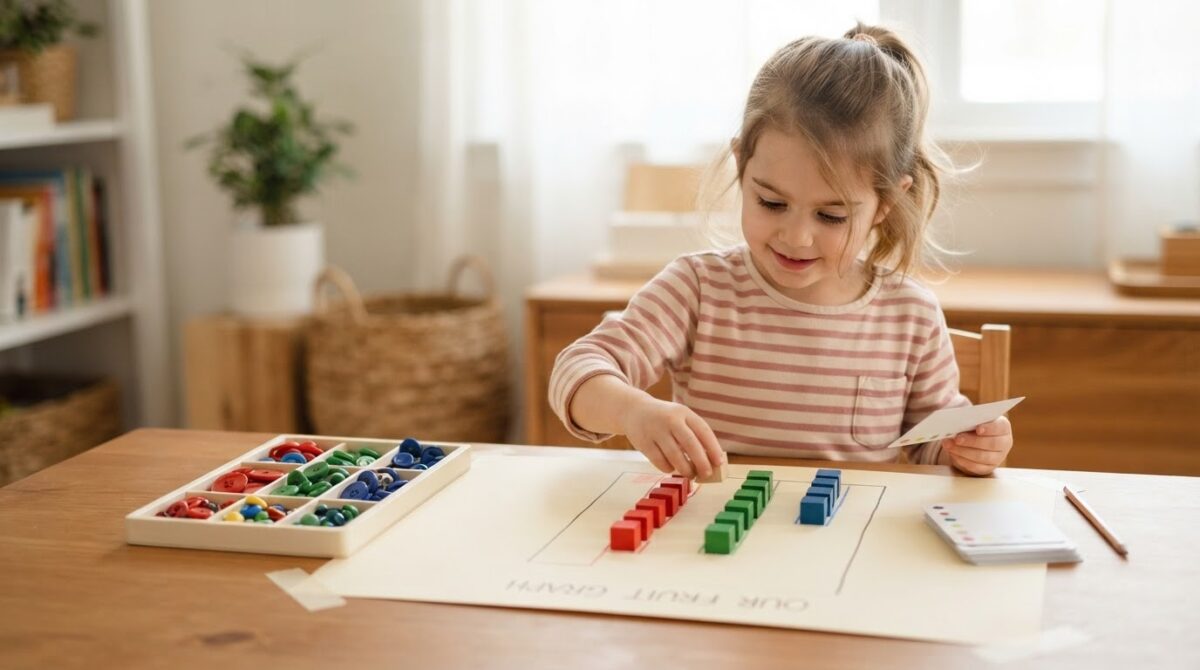
Sorting & Categorizing Activity Cards for 1-Year-Old Toddlers

Sorting & categorizing activity cards for 1 year old toddlers can fit naturally into everyday play and routines. For a 1-year-old toddler, focus on simple words, gestures, choices, movement, and repetition: model one small idea, repeat it naturally, and follow your child’s interest rather than turning the moment into a test. For hands-on ways to […]

Read More
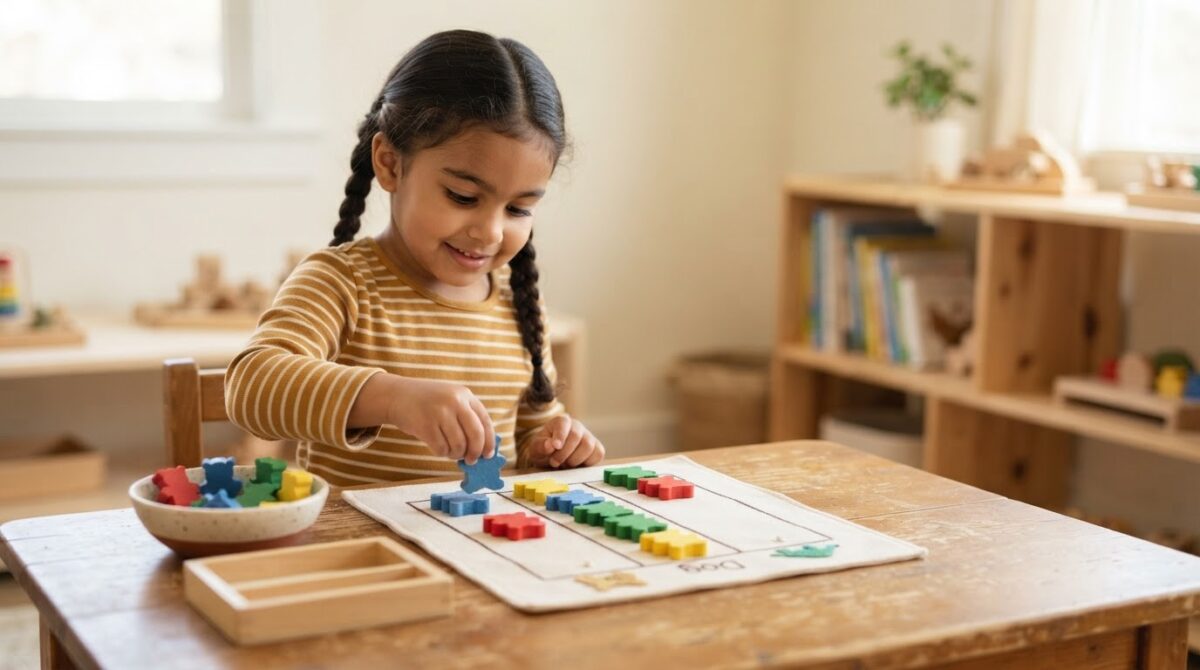
Playful Math: Sorting & Categorizing for 1-Year-Old Toddlers

Playful math: sorting & categorizing for 1 year old toddlers can fit naturally into everyday play and routines. For a 1-year-old toddler, focus on simple words, gestures, choices, movement, and repetition: model one small idea, repeat it naturally, and follow your child’s interest rather than turning the moment into a test. For hands-on ways to […]

Read More
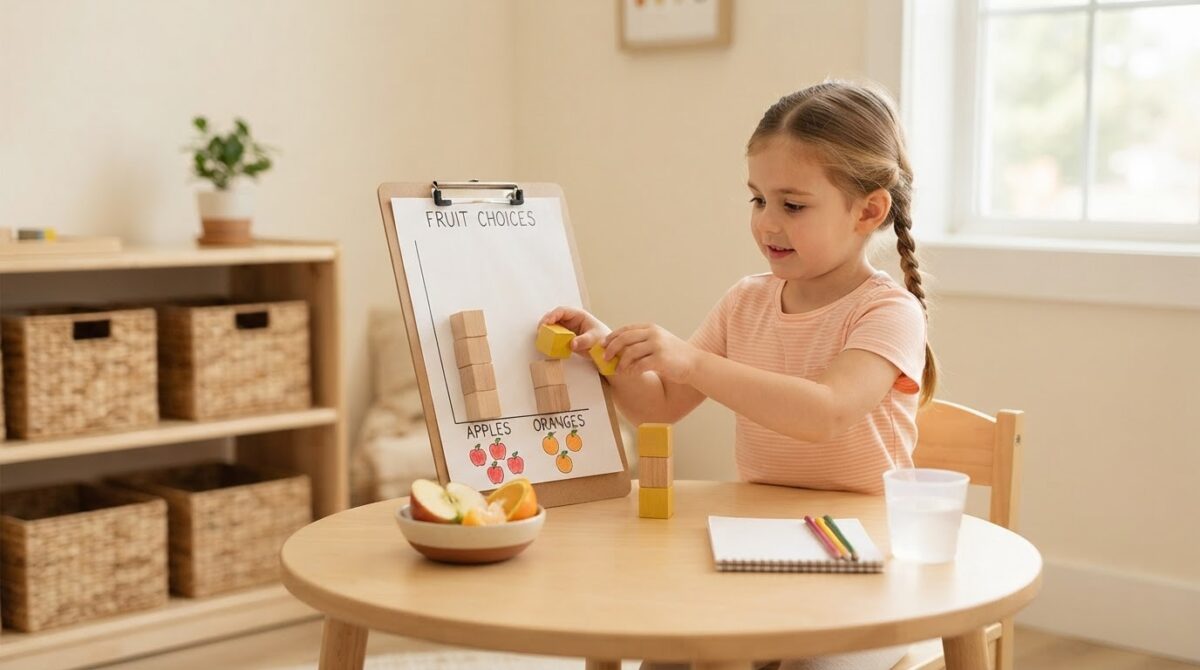
Everyday Sorting & Categorizing for 1-Year-Old Toddlers

Everyday sorting & categorizing for 1 year old toddlers can fit naturally into everyday play and routines. For a 1-year-old toddler, focus on simple words, gestures, choices, movement, and repetition: model one small idea, repeat it naturally, and follow your child’s interest rather than turning the moment into a test. For hands-on ways to practice […]

Read More

One-to-One Counting Activity Cards for 5-Year-Old Kids

One-to-one counting activity cards for 5 year old kids can fit naturally into everyday play and routines. For a 5-year-old child, focus on planning, explaining, storytelling, and problem solving: model one small idea, repeat it naturally, and follow your child’s interest rather than turning the moment into a test. For hands-on ways to practice one-to-one […]

Read More

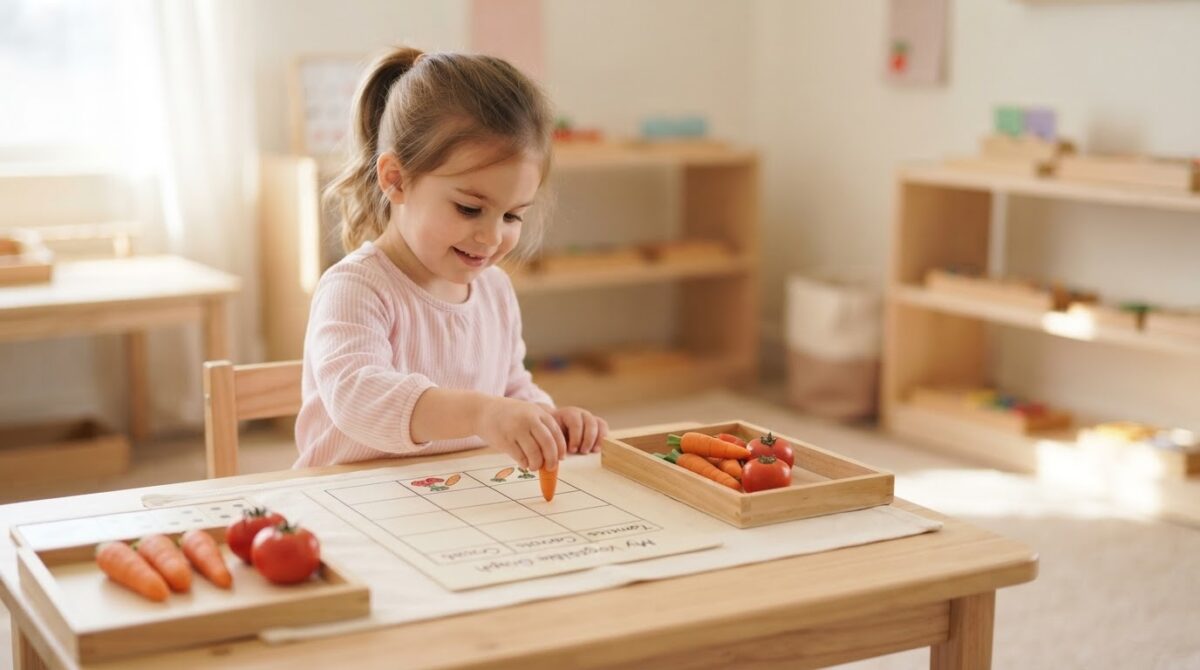
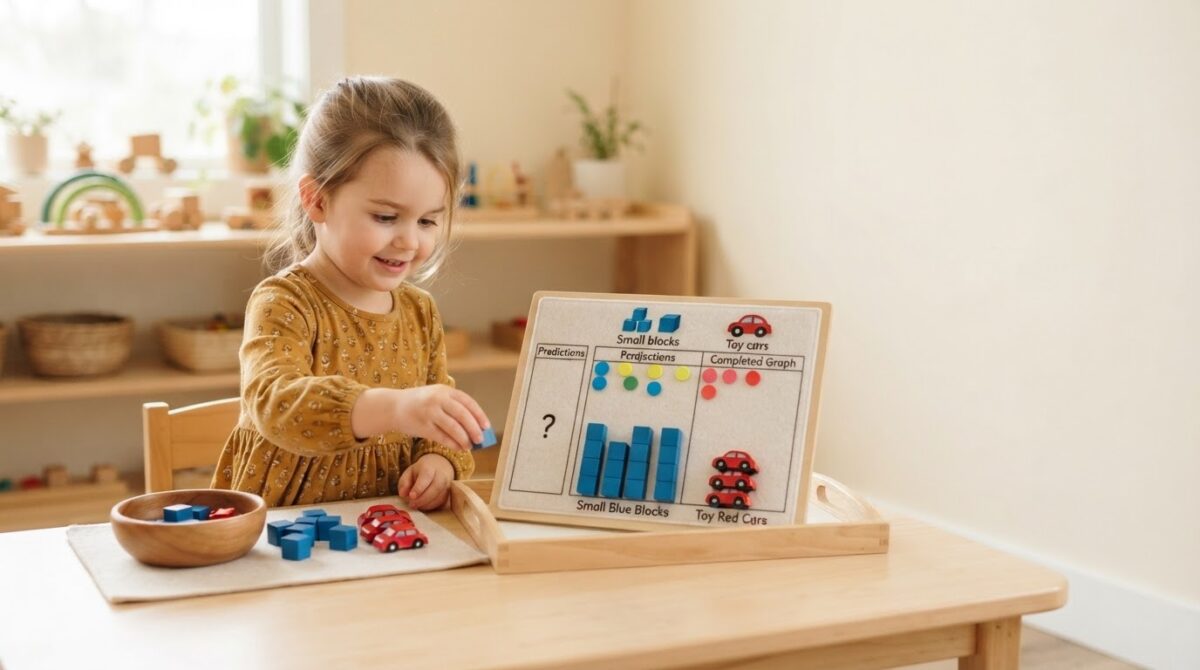
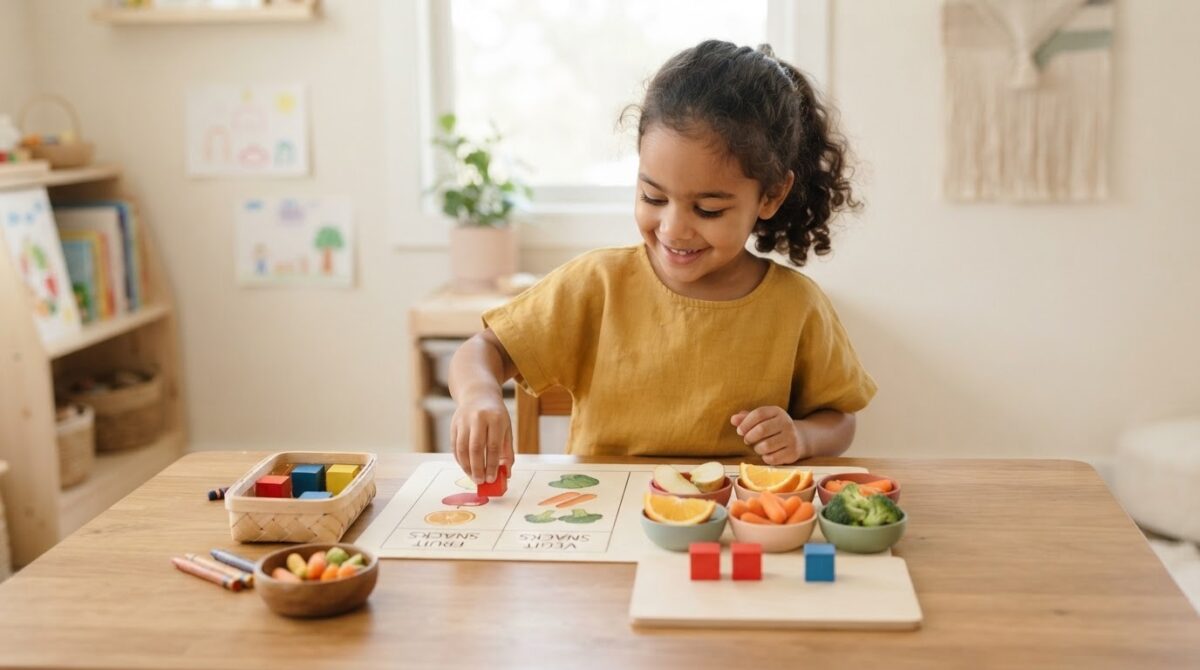
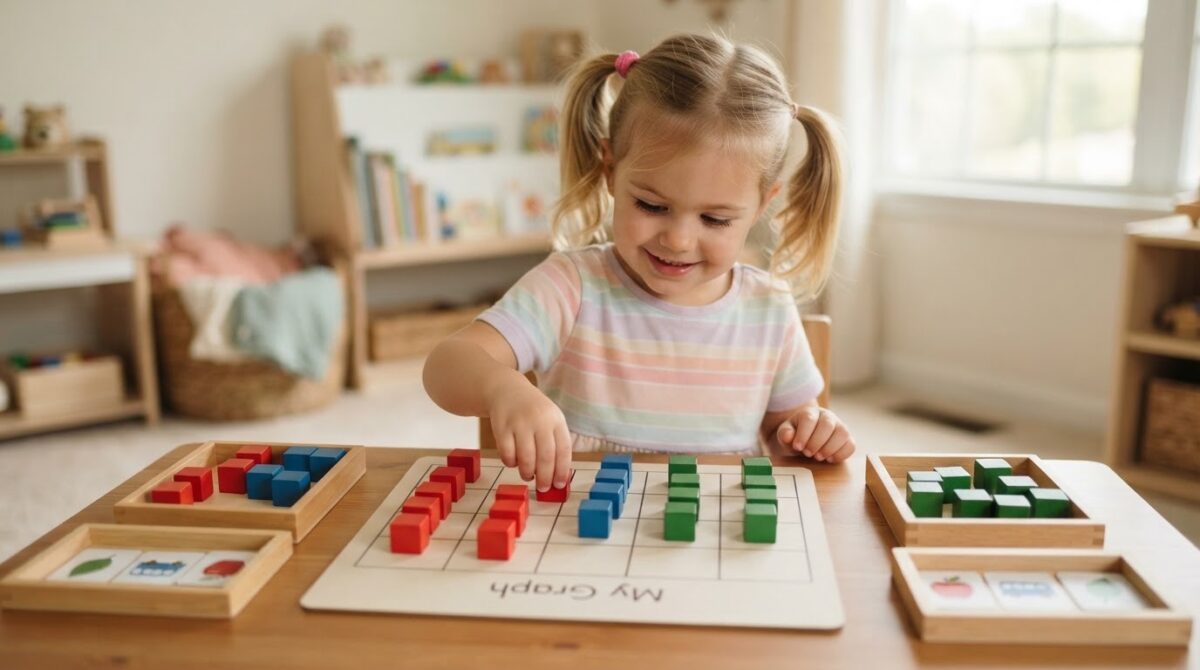
Graphing & Data for 4-Year-Old Kids

Graphing & data for 4 year old kids can fit naturally into everyday play and routines. For a 4-year-old child, focus on storytelling, comparing, multi-step play, and creative projects: model one small idea, repeat it naturally, and follow your child’s interest rather than turning the moment into a test. For hands-on ways to practice graphing […]

Read More