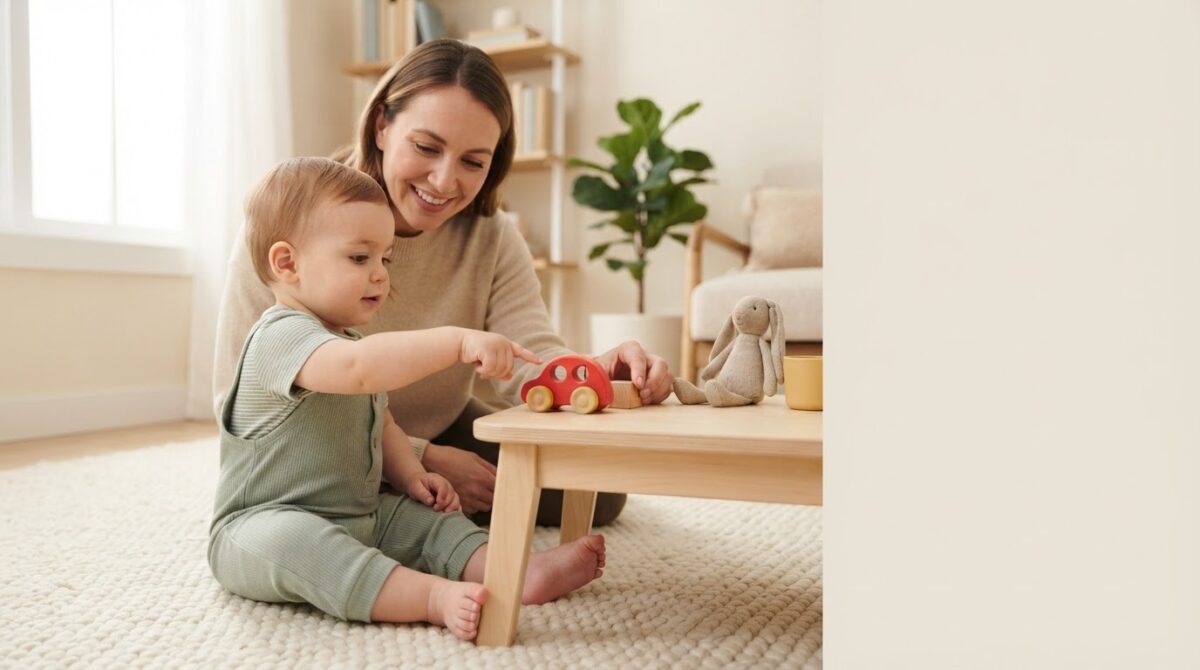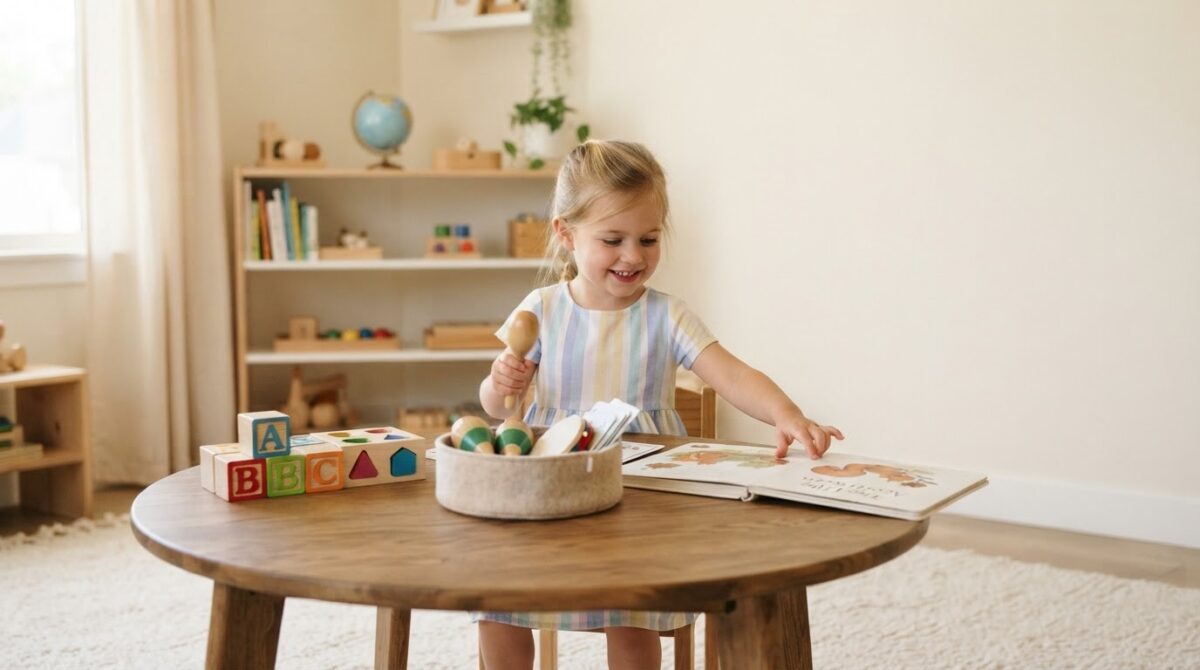
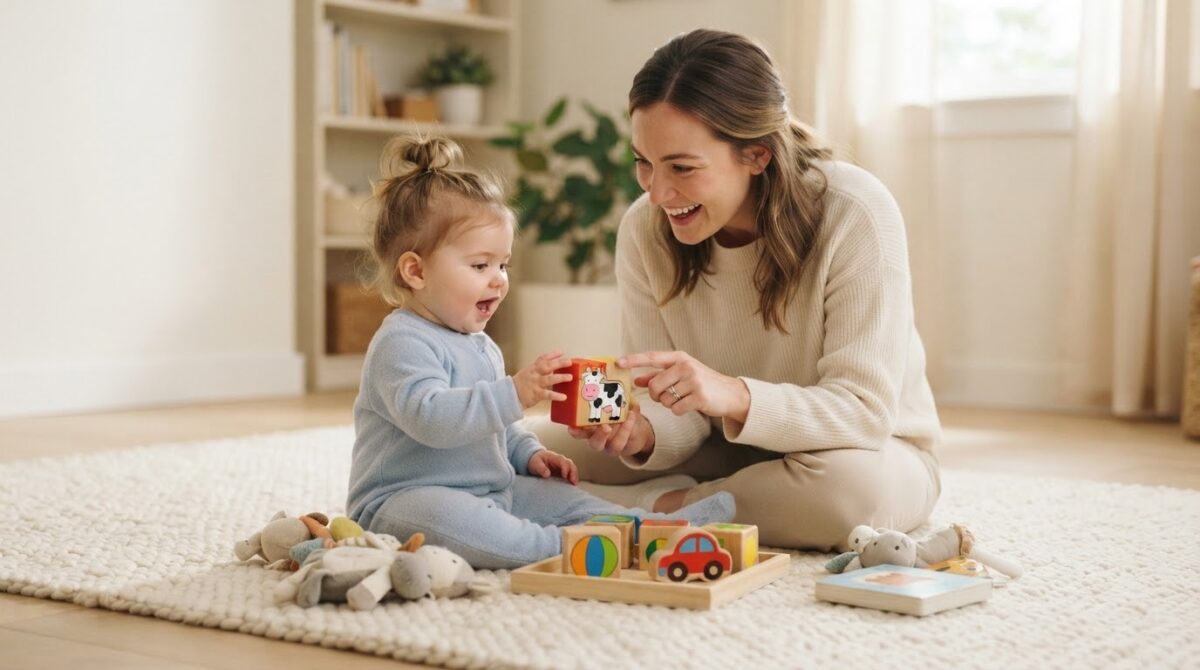
What to Look For in a First-Words Parent-Child Class for Babies 10–11 Months

What to look for in a first-words parent-child class for 10-11 month old babies can fit naturally into everyday play and routines. For a 10–11-month-old baby, focus on pointing, choosing, imitation, and familiar routines: model one small idea, repeat it naturally, and follow your child’s interest rather than turning the moment into a test. For […]

Read More
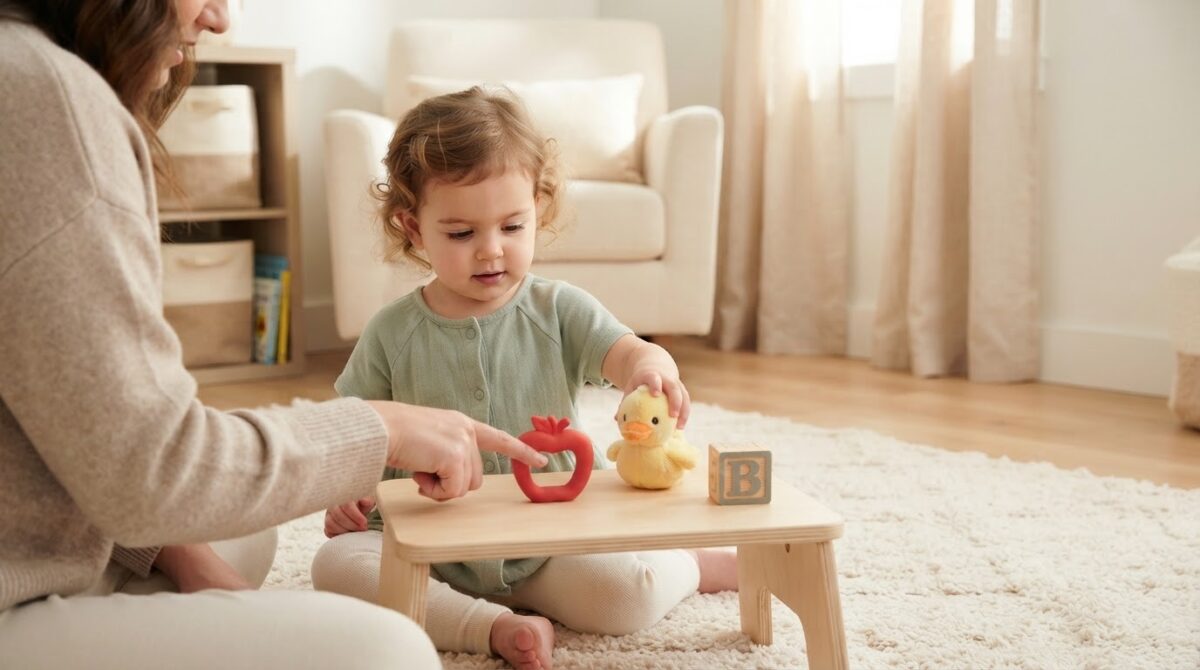
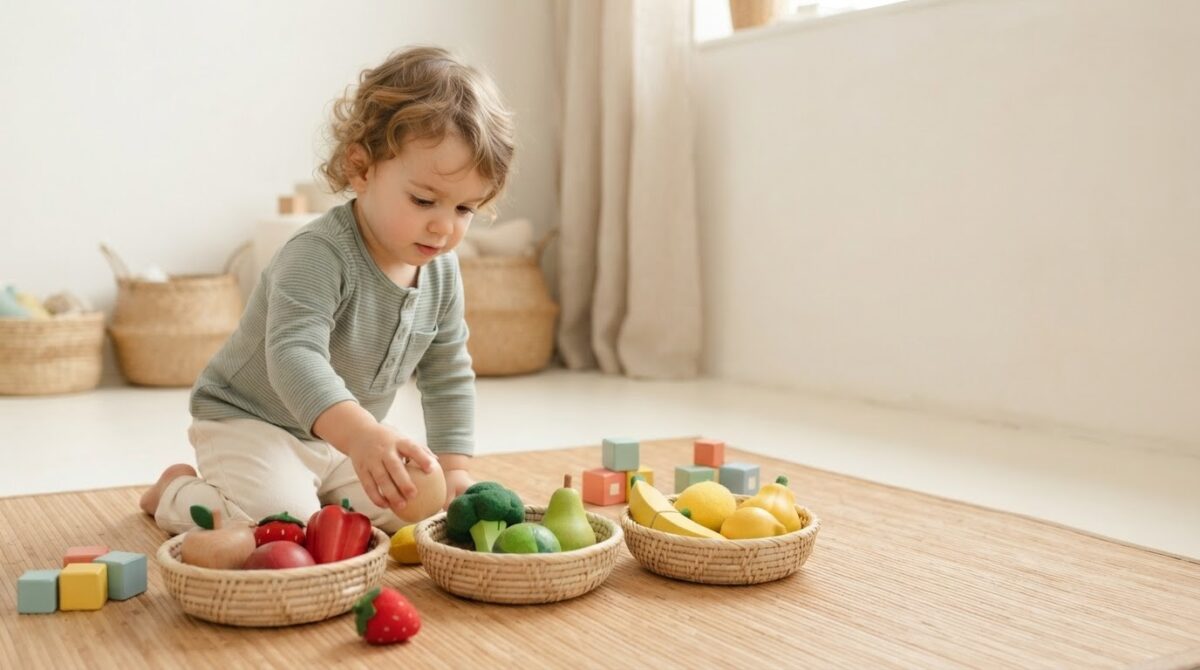
How to Use Banabooza First-Word Games With 1-Year-Old Toddlers

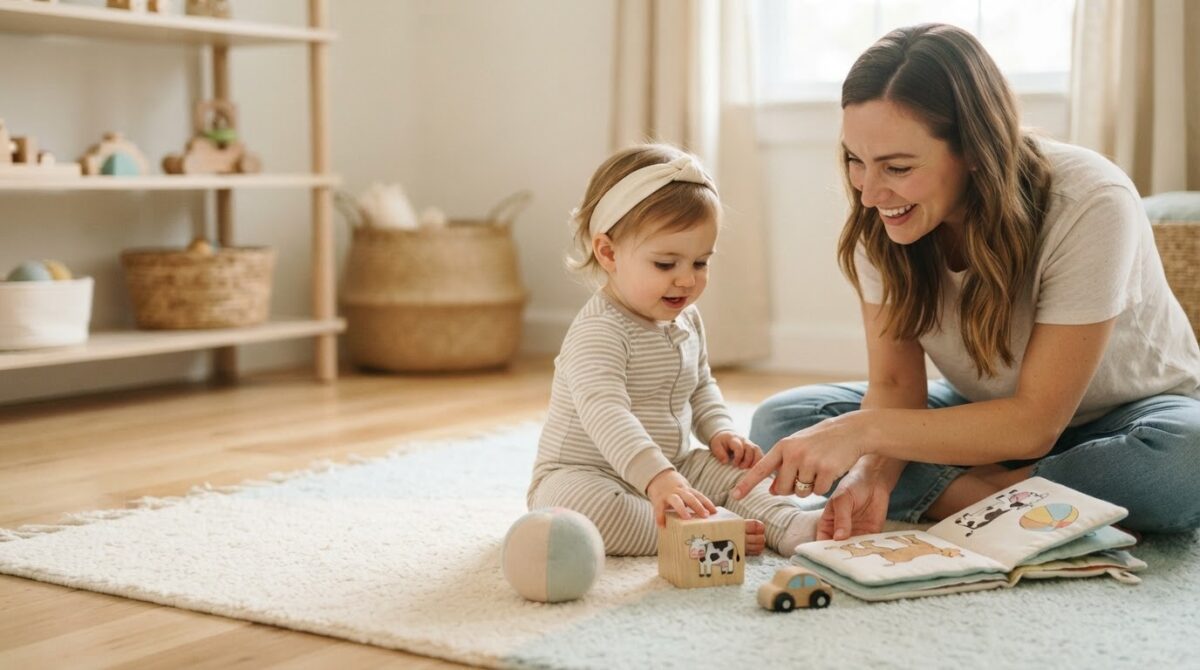
How to use banabooza first-word games for 1 year old toddlers can fit naturally into everyday play and routines. For a 1-year-old toddler, focus on simple words, gestures, choices, movement, and repetition: model one small idea, repeat it naturally, and follow your child’s interest rather than turning the moment into a test. For hands-on ways […]

Read More

Grocery Store Learning: Words, Categories, Colors and Counting for 3-Year-Old Toddlers

Grocery store learning for 3 year old toddlers can fit naturally into everyday play and routines. For a 3-year-old toddler, focus on conversation, sequences, pretend play, and small challenges: model one small idea, repeat it naturally, and follow your child’s interest rather than turning the moment into a test. For hands-on ways to practice vocabulary […]

Read More

Support First Words in More Than One Home Language for 2-Year-Old Toddlers

Support first words in more than one home language for 2 year old toddlers can fit naturally into everyday play and routines. For a 2-year-old toddler, focus on short phrases, matching, sorting, pretend play, and choices: model one small idea, repeat it naturally, and follow your child’s interest rather than turning the moment into a […]

Read More

10 Easy Ways to Get More Toddler Conversation During Play for 2-Year-Old Toddlers

Conversation during play for 2 year old toddlers can fit naturally into everyday play and routines. For a 2-year-old toddler, focus on short phrases, matching, sorting, pretend play, and choices: model one small idea, repeat it naturally, and follow your child’s interest rather than turning the moment into a test. For hands-on ways to practice […]

Read More

50 Everyday Words to Practice During Real Routines for 1-Year-Old Toddlers

50 everyday words to practice during real routines for 1 year old toddlers can fit naturally into everyday play and routines. For a 1-year-old toddler, focus on simple words, gestures, choices, movement, and repetition: model one small idea, repeat it naturally, and follow your child’s interest rather than turning the moment into a test. For […]

Read More
How to Use a First-Word Book Without Quizzing Your Toddler for 1-Year-Old Toddlers

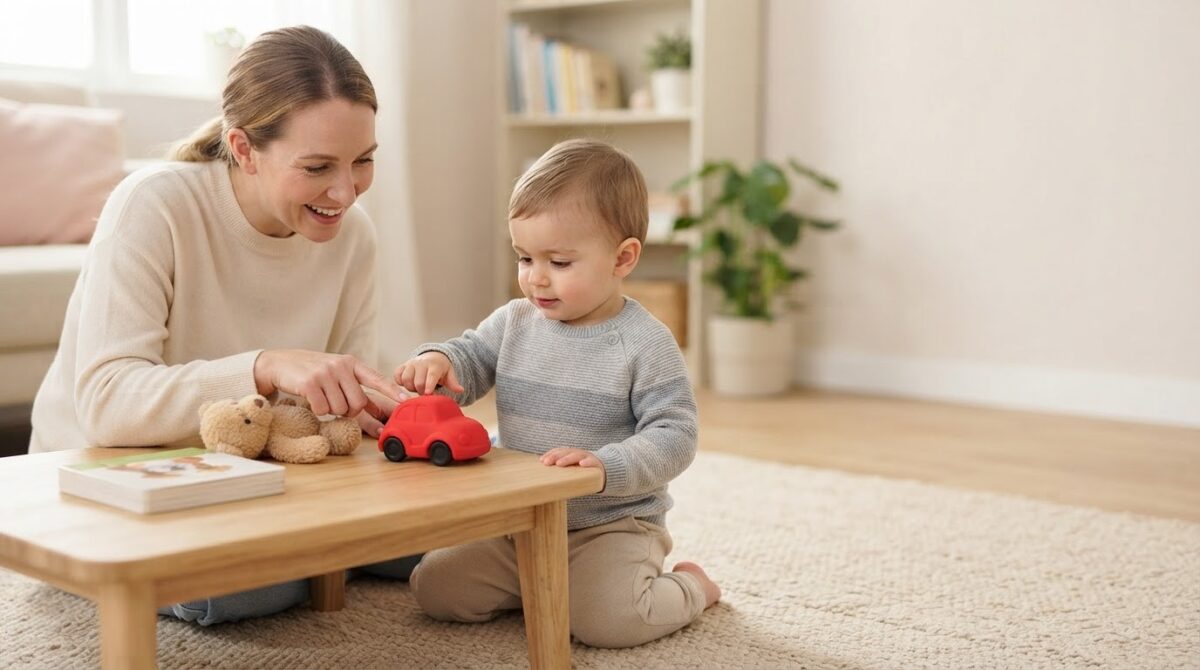
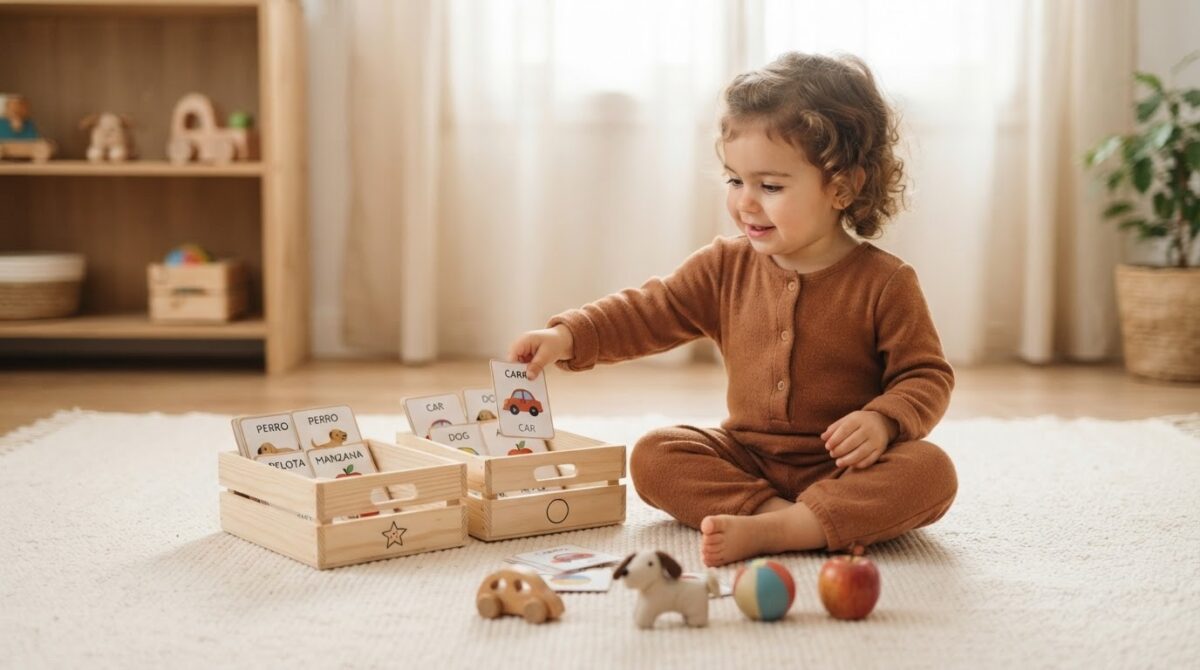
First word book for 1 year old toddlers can fit naturally into everyday play and routines. For a 1-year-old toddler, focus on simple words, gestures, choices, movement, and repetition: model one small idea, repeat it naturally, and follow your child’s interest rather than turning the moment into a test. For hands-on ways to practice first […]

Read More

7-Day First Words Routine for 1-Year-Old Toddlers

7-day first words routine for 1 year old toddlers can fit naturally into everyday play and routines. For a 1-year-old toddler, focus on simple words, gestures, choices, movement, and repetition: model one small idea, repeat it naturally, and follow your child’s interest rather than turning the moment into a test. For hands-on ways to practice […]

Read More

What to Teach and Practice With 5-Year-Old Kids Children

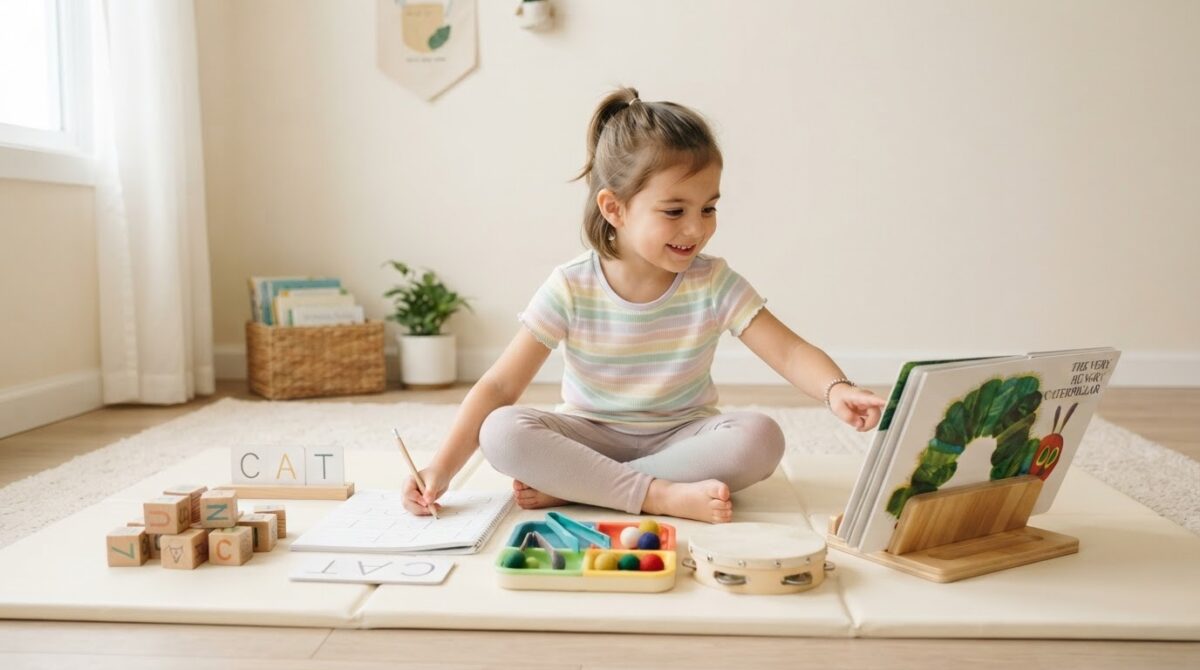
What to teach and practice with 5 years children for 5 year old kids can fit naturally into everyday play and routines. For a 5-year-old child, focus on planning, explaining, storytelling, and problem solving: model one small idea, repeat it naturally, and follow your child’s interest rather than turning the moment into a test. For […]

Read More
What to Teach and Practice With 4-Year-Old Kids Children

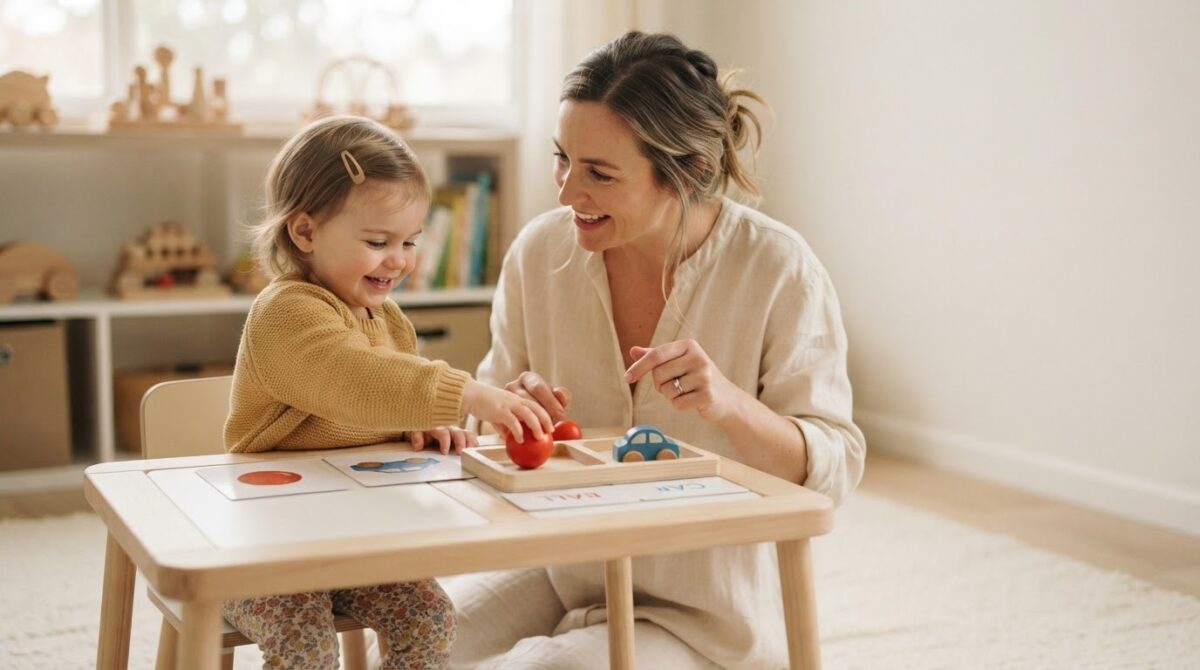
What to teach and practice with 4 years children for 4 year old kids can fit naturally into everyday play and routines. For a 4-year-old child, focus on storytelling, comparing, multi-step play, and creative projects: model one small idea, repeat it naturally, and follow your child’s interest rather than turning the moment into a test. […]

Read More