Everyday Safety Words for 5-Year-Old Children: Two-Minute Helper Job
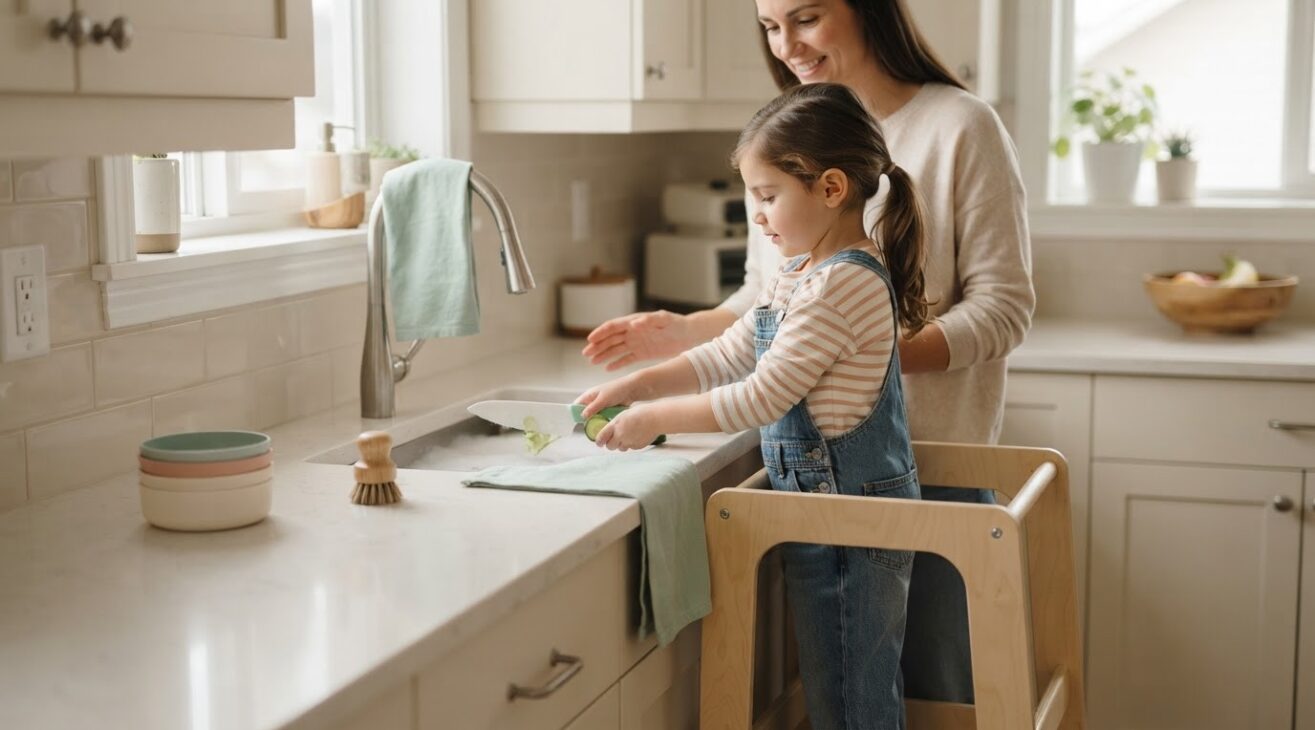
For parents looking for everyday safety words for 5 year old children, this post offers a short, practical activity you can use without turning play into a test. This two-minute helper job activity uses a familiar real-world moment so your child can explore everyday safety words through action and interaction. Plan on about 7-12 minutes; there is no need to stretch the activity if your child is ready to move on. Use the two-minute helper job idea to practice one small part of everyday safety words during a calm moment, keeping the steps predictable and giving your child one manageable way to participate while the adult continues to guide the routine. Treat that as the starting idea, not a script you have to follow perfectly—adapt the pace, materials, and number of turns to your child’s interest.
Quick Activity
Use the two-minute helper job idea as a tiny play invitation rather than a test. Use the two-minute helper job idea to practice one small part of everyday safety words during a calm moment, keeping the steps predictable and giving your child one manageable way to participate while the adult continues to guide the routine. Show the first turn yourself, pause, and let your child’s response decide whether you repeat, simplify, or add one small variation. This supports hearing and practicing a few concrete safety words while the adult remains responsible for safety.
Related Resources
Looking for more ways to support everyday safety words beyond this activity? Explore Flashcards & Learning Cards for picture, word, and concept cards that make the skill easy to revisit in short, playful practice. For guided local or online learning opportunities, browse Early Learning & Preschool to find early-learning and preschool classes, programs, activities, businesses, or events where children can get guided practice with this learning area.
What This Practices
This kind of activity is useful because it connects the learning idea with a real experience. Instead of asking your child to remember something abstract, you give them something concrete to notice and respond to. For a 5-year-old child, participation can look like planning, comparing, explaining, creating, testing, retelling, building, drawing, or teaching the idea back to you. The focus is not on speed or correctness; it is on giving your child a useful experience with everyday safety words that is easy to repeat.
What You Need
- large paper and jumbo age-appropriate drawing or art materials
Safety note: The adult remains responsible for safety; the goal is only to make a few safety words and routines familiar.
How to Do It
- Choose one small part of everyday safety words to practice through the two-minute helper job idea. Do not try to teach the whole routine at once.
- Show the first step and use the same short phrase you plan to use during the real routine.
- Give your child one manageable participation job. A turn might look like planning, comparing, explaining, creating, testing, retelling, building, drawing, or teaching the idea back to you, while the adult continues to guide the routine.
- Use simple sequence language—first, next, then, last—only when it makes the routine clearer.
- Finish the step and move on. The goal is familiarity and participation, not perfect independence.
What to Say
Keep your language short and connected to what is happening. You do not need to use every phrase below; choose a few that sound natural in your family.
- “Hold my hand.”
- “Hot—grown-ups touch this.”
- “Feet stay here.”
- “I will keep you safe.”
- “Stop.”
- “Wait.”
What to Notice
There is no single response you need to see for the activity to be worthwhile. Look for small signs that your child is engaged with the idea.
- Your child may show interest through planning, explaining evidence, revising an idea, creating a new example, or using the skill independently in play.
- The goal is participation and curiosity, not a perfect answer or finished product.
- If interest fades, stop and try again another time; short positive experiences are easier to repeat.
Make It Easier
Make the next turn easier before adding anything new. Return to a concrete example and complete the first step together before inviting your child to continue.
Try This Next
Keep the successful part the same and change only one thing. Let your child extend the idea independently, invent a new example, compare two approaches, or explain how the activity works.
Use It in Everyday Life
The easiest way to keep learning useful is to let the same idea show up in ordinary moments. Try one of these simple extensions:
- Offer one small participation job instead of expecting your child to complete the whole routine independently.
- Practice a tricky step when there is extra time, not only when everyone is rushing.
- Keep the same short phrases for familiar everyday safety words steps so the sequence becomes predictable.
Keep Learning
This is one practical way to revisit everyday safety words for 5 year old children through short, playful practice. Within Daily Routines & Independence, related ideas to explore next include Toothbrushing Routine, Dressing & Clothing, and Morning Routine. You do not need to work on them all at once; choose the one that naturally connects with what your child enjoyed today. Follow your child’s interest, keep the tone warm and low-pressure, and stop while the activity still feels successful.