Toilet Learning Words & Routine for 3-Year-Old Preschoolers: Simple Visual Cue
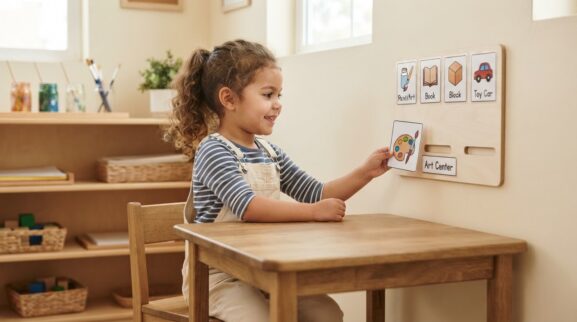
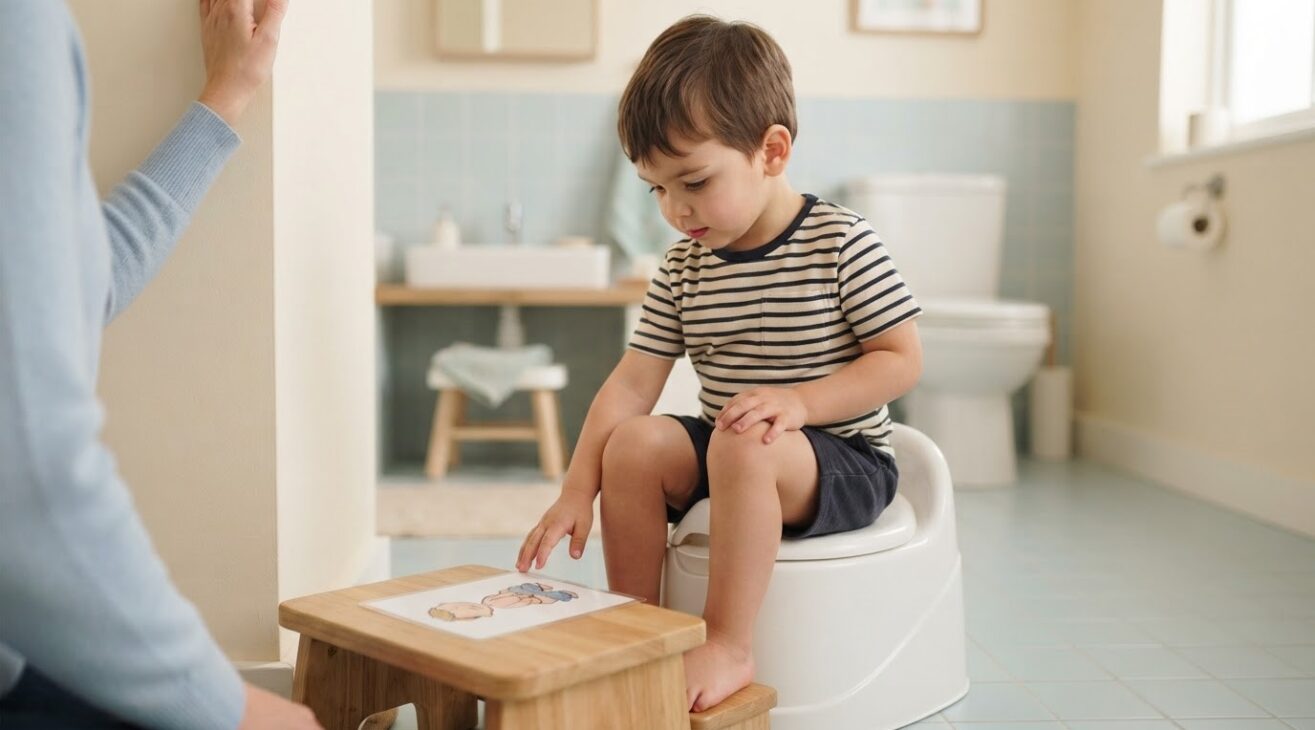
For parents looking for toilet learning words & routine for 3 year old preschoolers, this post offers a short, practical activity you can use without turning play into a test. The goal is to make toilet learning words & routine concrete, playful, and easy to repeat. This simple visual cue setup gives you a practical way to do that with a 3-year-old preschooler using everyday interaction. Use the simple visual cue idea to practice one small part of toilet learning words & routine during a calm moment, keeping the steps predictable and giving your child one manageable way to participate while the adult continues to guide the routine. Treat that as the starting idea, not a script you have to follow perfectly—adapt the pace, materials, and number of turns to your child’s interest.
Quick Activity
Set aside 5-8 minutes for the activity. Use the simple visual cue idea to practice one small part of toilet learning words & routine during a calm moment, keeping the steps predictable and giving your child one manageable way to participate while the adult continues to guide the routine. Keep the setup visually simple, model one clear example, and let your child join through talking, pretending, matching, sorting, drawing, moving, building, retelling, or making a simple choice. The learning focus is learning neutral toilet-related words and routine steps without pressure or readiness claims.
Related Resources
Looking for more ways to support toilet learning words & routine beyond this activity? Explore Learning Materials for learning materials and activity resources that make the skill easy to revisit through simple practice at home. For guided local or online learning opportunities, browse Early Learning & Preschool to find early-learning and preschool classes, programs, activities, businesses, or events where children can get guided practice with this learning area.
What This Practices
Children get more useful practice when a learning idea appears in context. Here, the skill is attached to something visible, touchable, movable, tellable, or repeatable. That makes it easier for the adult to model learning neutral toilet-related words and routine steps without pressure or readiness claims while keeping the interaction natural. The focus is not on speed or correctness; it is on giving your child a useful experience with toilet learning words & routine that is easy to repeat.
What You Need
- two to four large, clear photos or picture cards
- large paper and jumbo age-appropriate drawing or art materials
Safety note: Keep the routine neutral and supportive; this activity is for familiarity and participation, not readiness testing or medical guidance.
How to Do It
- Choose one small part of toilet learning words & routine to practice through the simple visual cue idea. Do not try to teach the whole routine at once.
- Show the first step and use the same short phrase you plan to use during the real routine.
- Give your child one manageable participation job. A turn might look like talking, pretending, matching, sorting, drawing, moving, building, retelling, or making a simple choice, while the adult continues to guide the routine.
- Use simple sequence language—first, next, then, last—only when it makes the routine clearer.
- Finish the step and move on. The goal is familiarity and participation, not perfect independence.
What to Say
Keep your language short and connected to what is happening. You do not need to use every phrase below; choose a few that sound natural in your family.
- “Now comes the next part.”
- “First this.”
- “Your turn to help.”
- “Next we ___.”
- “Almost done.”
- “You did one step.”
What to Notice
There is no single response you need to see for the activity to be worthwhile. Look for small signs that your child is engaged with the idea.
- Your child may show interest through explaining a choice, using the target idea in play, remembering a step, changing a plan, or adding a new example.
- The goal is participation and curiosity, not a perfect answer or finished product.
- If interest fades, stop and try again another time; short positive experiences are easier to repeat.
Make It Easier
If the simple visual cue setup feels busy, remove extra choices and return to one clear example. Model the first example and offer only two options at a time. Use a picture, object, or gesture to make the idea concrete.
Try This Next
Ask your child to create one new example, explain a simple choice, or use the same skill in pretend play.
Use It in Everyday Life
The easiest way to keep learning useful is to let the same idea show up in ordinary moments. Try one of these simple extensions:
- Keep the same short phrases for familiar toilet learning words & routine steps so the sequence becomes predictable.
- Offer one small participation job instead of expecting your child to complete the whole routine independently.
- Practice a tricky step when there is extra time, not only when everyone is rushing.
Keep Learning
You can come back to toilet learning words & routine for 3 year old preschoolers whenever the same idea appears naturally in play or a daily routine. Within Daily Routines & Independence, related ideas to explore next include Asking for Help, Everyday Safety Words, and Morning Routine. You do not need to work on them all at once; choose the one that naturally connects with what your child enjoyed today. Follow your child’s interest, keep the tone warm and low-pressure, and stop while the activity still feels successful.